

Ever drive past a construction site and wonder… “How long has this been here?” You’re not alone. It’s one of the most common questions people ask. You see cranes sitting there for months, construction vehicles everywhere, dust flying around, and you’re thinking “Shouldn’t this be done by now?”
The truth is, building takes time. A lot of time. And there are actually really good reasons why. It’s not just workers being slow or bosses not caring. There’s a whole bunch of stuff happening that you might not see from the street. Let me explain what’s really going on.
It All Starts Way Before Anyone Swings a Hammer
Here’s the thing nobody thinks about: before a single brick gets laid, there’s a mountain of work that needs to happen first. And I mean a mountain.
First, someone has to design the building. Not just sketch it out on a napkin – actually design it properly. Architects sit down and think about what the building needs to do. What’s it for? Is it offices? A home? A factory? Then they start drawing. They create detailed plans. They think about how people will move through it. Where will the doors go? How many windows do we need? What materials should we use?
But that’s not just one person sitting at a desk. There’s back and forth. The person who wants the building built has ideas. Maybe they say “I want it bigger” or “I want these colors.” The architect listens and makes changes. Then they meet again. And again. This whole process can take months. Sometimes even a year or more for really big buildings.
Then the engineers get involved. Architects design how it looks, but engineers design how it actually stays standing. They figure out what the building needs to support itself. How strong do the walls need to be? What about the roof? What if there’s an earthquake? What if there’s a big storm with wind? They calculate all of this.
The Plans Need to Be Perfect
Once everyone agrees on what the building should look like and how it should work, everything gets put into detailed plans. Like, super detailed. These aren’t just drawings. These are instructions. Every single thing that goes into the building gets written down. Every wall, every pipe, every electrical wire, every door, every window – everything.
These plans go through multiple checks. Different people review them to make sure everything makes sense. Does the plumbing work with the walls? Does the electrical system work with everything else? Will the structure actually hold everything up? Someone needs to look at all of this and say “Yes, this will work” before anyone builds anything.
This checking process is actually really important. It’s one of the reasons buildings take so long. But here’s why it matters: if you get it wrong, it’s way more expensive and time-consuming to fix it during construction. Or worse, after the building is finished. So it’s better to spend time planning right instead of rushing and fixing problems later.
Getting Permission Takes Time (And It Should)
Before construction even starts, there’s paperwork. A lot of paperwork. The people building the building need to get permission from the government. Different departments need to check the plans.
A safety person looks at it and says “Will people be safe in this building?” A city planner looks at it and says “Does this fit with what we want the city to look like?” Someone checks the environmental stuff. Someone checks that it follows all the building rules and regulations.
Each of these people needs to review the plans. If they have questions or see problems, they send the plans back. The designers fix things. Then they send it back again. This back and forth can take weeks or even months. But again, this is actually really good. We want people checking to make sure buildings are safe and don’t ruin neighborhoods.
The Actual Building Part Has Tons of Steps
Okay, so finally the plans are approved, everyone’s got permission, and construction starts. You’d think now it would go fast, right? Not so much.
Building is not like assembly. You can’t just speed it up. There’s an order to everything. You have to do step one before you can do step two. If you skip ahead, everything falls apart. Literally.
First, you prepare the ground. You level it. You make sure the foundation is right. The foundation is super important. It’s what holds the entire building up. You can’t rush this. If the foundation isn’t perfect, the whole building is at risk.
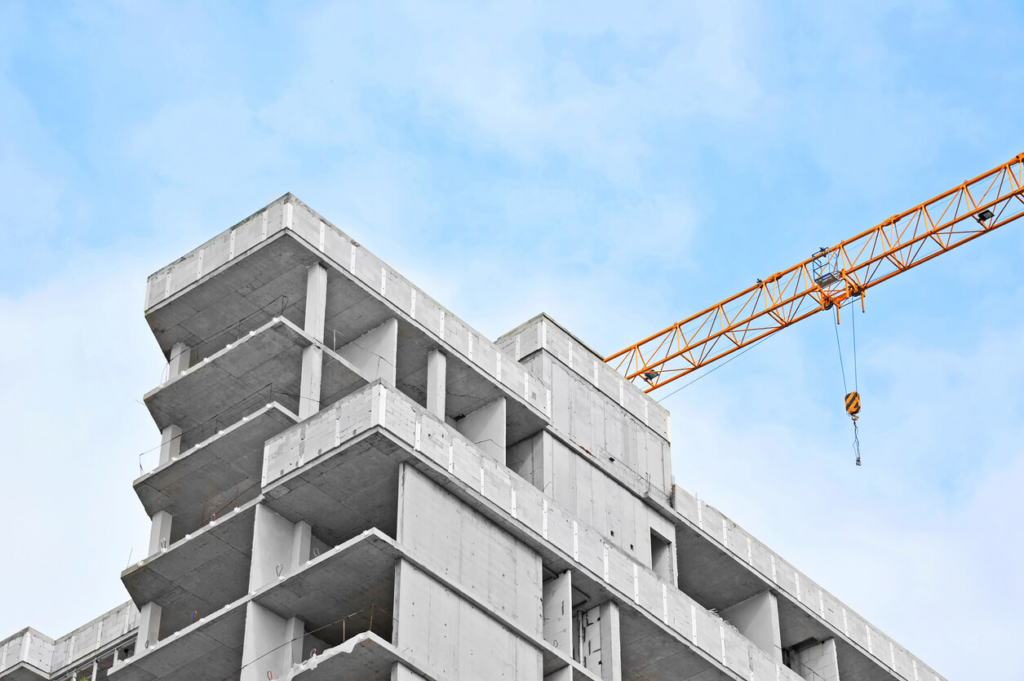
Then you build the skeleton – the main structure. For big buildings, this usually means steel or concrete frames. Workers put these together piece by piece. And it’s not like they can just slap it together. Every connection has to be right. Every measurement has to be exact. If something’s off by even a little bit, you have big problems.
Once the skeleton is up, all the guts of the building go in. Pipes for water. Pipes for sewage. Electrical wiring. HVAC systems that heat and cool the building. This stuff has to fit perfectly inside the walls and ceilings. And it all has to work together without conflicts.
Coordination is Huge (And Complicated)
Here’s something people don’t think about: all these different systems – the structure, the plumbing, the electrical, the HVAC, the internet cables – they all have to fit together perfectly. They can’t be in the same space. They can’t block each other.
In modern building, we use something called BIM – Building Information Modeling. It’s basically a 3D digital model of the entire building. Everything goes into this model. And the model helps catch problems before they happen.
Without good coordination, workers get to a spot and realize “Oh wait, the pipe is supposed to go here but the wire is already there.” Then you have to stop, figure out what to do, maybe redesign something, and start again. That costs time. A lot of time.
So the work of making sure everything coordinates properly is huge. Different teams have to work together. They have to communicate. They have to make sure their parts fit with everyone else’s parts. This all takes time.
Different Teams Can’t All Work at Once
People think a construction site should be like a busy restaurant kitchen where everyone’s doing something at the same time. It’s not really like that.
You can’t have the painting team painting while the electrical team is running wires in the walls. You can’t have the plumbing team installing pipes while the HVAC team is installing ductwork in the same spaces. There’s a sequence. A specific order that things have to happen in.
So you’ll have days where only one team is working. Then they finish their part. Then the next team comes in. Then the next. It’s kind of like an assembly line but reversed – instead of the product moving through stations, the stations come to the product.
This is why you see a construction site that’s busy, then quieter, then busy again. That’s not laziness. That’s coordination. That’s making sure everything happens in the right order so that nothing conflicts with anything else.
Weather and Problems Stop Everything
You probably know that bad weather stops construction. If it’s raining hard or if it’s a storm, workers can’t safely work. Some materials can’t be used in certain weather either. Concrete doesn’t set right if it’s too hot or too cold. Paint won’t stick if it’s too wet.
But it’s not just weather. There are other problems that pop up too. Sometimes workers start working on something and realize it’s different than what the plans said. Maybe they dig down and find something unexpected underground. Maybe they open up a wall and see that something’s not how they thought it was. Now they have to figure out what to do.
These unexpected problems can add weeks to a project. It’s frustrating, but it’s part of building. You’re working with real things in the real world, and the real world doesn’t always match the plans perfectly.
Quality Checking Takes Time
Throughout the entire building process, people are checking quality. They’re making sure everything is being done right. They measure things. They test things. They make sure the work meets standards.
If something’s not right, it gets fixed. That takes time. But again, that’s good. You want a building that’s solid and safe and works properly. Rushing this part just causes problems later.
The Final Push is Still Slow
When the main construction is done, you’d think it’s almost ready, right? But there’s still a ton of work. Finishing touches. Final systems testing. Making sure everything actually works. Cleaning everything up. Installing the finishing materials – carpet, paint, fixtures, everything.
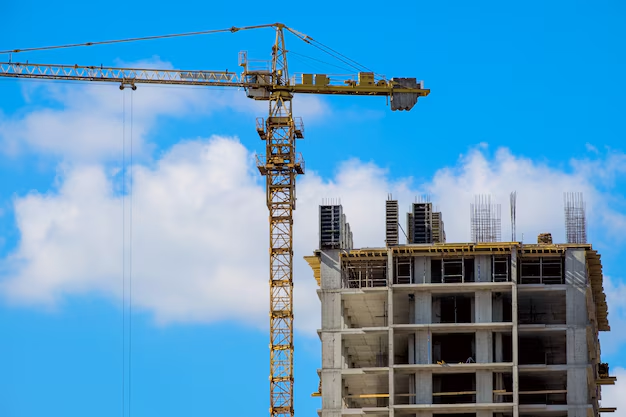
Then inspections happen. Different people come and check that everything is built according to the plans and regulations. If something’s not right, it gets fixed. Then there are more inspections.
Finally, the building can be handed over to the people who are going to use it.
So Why Does It Take So Long?
All of this is why buildings take so long. It’s not random. It’s not someone being slow. It’s because:
- Planning matters – Getting it right at the beginning saves time later
- Safety is critical – Every step has to be done carefully
- Coordination is complex – All the different systems have to work together
- Sequence matters – Things have to happen in the right order
- Quality counts – Checking and testing takes time but prevents bigger problems
- The real world is messy – Unexpected stuff happens
- Communication takes effort – Different teams have to coordinate constantly
The Bottom Line
Next time you drive past a construction site and think “This is taking forever,” remember all the stuff happening that you can’t see. There’s design happening. Planning happening. Coordination happening. Quality checking happening. Problem solving happening.
Building something that’s safe, functional, and will last for decades isn’t fast. But it’s worth the wait. The buildings we use every day are the result of all this careful, coordinated, detailed work.
That’s why it takes so long. And honestly? That’s exactly how it should be.