How BIM Services Improve Collaboration Across Construction Teams
Introduction
Modern construction projects involve a diverse network of stakeholders, including architects, structural engineers, MEP consultants, contractors, subcontractors, project managers, and owners. Each discipline contributes specialized expertise, making effective collaboration essential for successful project delivery.
However, traditional construction workflows often rely on disconnected drawings, email communication, and manual coordination. These fragmented processes can lead to design conflicts, inconsistent documentation, project delays, budget overruns, and costly rework.
Building Information Modeling (BIM) has transformed collaboration by creating a centralized digital environment where all project stakeholders can access, review, and update accurate project information. Rather than working in isolation, teams collaborate through intelligent BIM models that improve communication, transparency, and coordination throughout the project lifecycle.
Whether developing a residential tower, commercial complex, healthcare facility, or infrastructure project, BIM enables construction teams to work together more efficiently while reducing project risks and improving quality.
In this article, we’ll explore how BIM services improve collaboration across construction teams, the technologies that enable digital coordination, and why BIM has become an essential component of modern construction projects.
What Are BIM Services?
Building Information Modeling (BIM) services involve creating, managing, coordinating, and maintaining intelligent digital models that contain both geometric and data-rich information about a building or infrastructure asset.
Unlike traditional CAD drawings, BIM integrates architectural, structural, MEP, scheduling, costing, and asset information into a single coordinated model that all project participants can access.
Core BIM Services
Professional BIM services providers typically offer:
- Architectural BIM Modeling
- Structural BIM Modeling
- MEP BIM Modeling
- BIM Coordination
- Clash Detection & Resolution
- BIM Management
- BIM Execution Planning (BEP)
- Shop Drawings
- Scan to BIM
- As-Built BIM Modeling
- Quantity Take-Offs
- 4D Construction Sequencing
- 5D Cost Estimation
- Facility Management Models
Together, these services improve communication, reduce errors, and streamline collaboration from concept design through facility operations.
BIM Is a Collaborative Process
Although BIM is often associated with 3D modeling, it is fundamentally a collaborative methodology.
A BIM model serves as a single source of truth, allowing every stakeholder to work from the same coordinated information.
Modern BIM workflows support:
- Multi-disciplinary coordination
- Real-time model updates
- Cloud collaboration
- Automated clash detection
- Quantity extraction
- Construction scheduling
- Cost management
- Asset lifecycle information
This shared environment enables faster decision-making and reduces misunderstandings between project teams.
Why Collaboration Is Critical in Construction
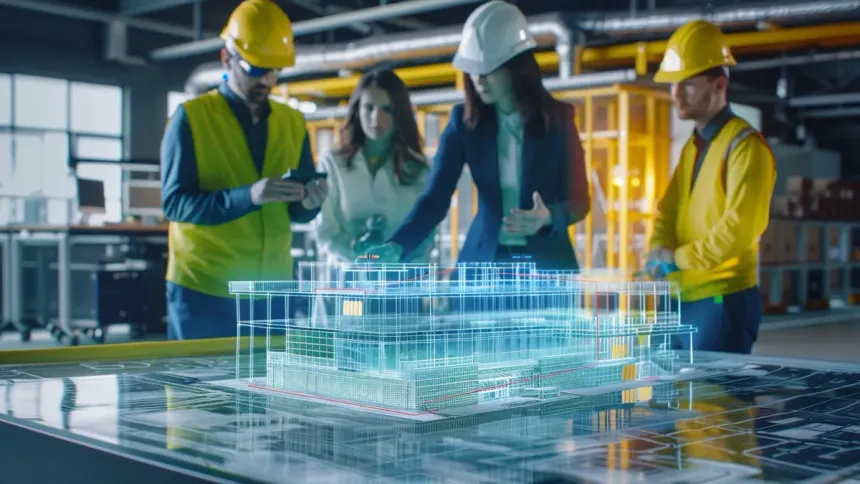
Construction projects have become increasingly complex, requiring input from multiple disciplines, consultants, suppliers, and contractors. Effective collaboration is essential to ensure that every team works toward the same project objectives.
Without structured collaboration, projects may experience:
- Design inconsistencies
- Communication gaps
- Duplicate work
- Delayed approvals
- Construction clashes
- Schedule overruns
- Budget increases
- Poor documentation
- Reduced quality
Traditional workflows often make these issues difficult to manage because information is stored in separate files, shared manually, and updated inconsistently.
Common Collaboration Challenges
Communication Delays
Project teams working with outdated drawings or delayed responses can make decisions based on incorrect information.
Design Conflicts
Independent design development by different disciplines often results in clashes that are discovered only during construction.
Version Control Problems
Multiple drawing revisions distributed through email can create confusion about which documents are current.
Limited Project Visibility
Project owners and managers may struggle to monitor design progress or identify issues without access to coordinated project information.
Poor Coordination Between Disciplines
Architectural, structural, and MEP teams often work independently, increasing the risk of installation conflicts and rework.
Why Construction Teams Are Adopting BIM
Organizations around the world are implementing BIM because it creates a collaborative digital environment where every stakeholder works with accurate, coordinated information.
Key advantages include:
- Improved communication
- Better transparency
- Faster decision-making
- Reduced design conflicts
- Streamlined approvals
- Better documentation
- Improved project quality
- Lower project risks
By replacing fragmented workflows with integrated digital collaboration, BIM helps construction teams deliver projects more efficiently and with greater confidence.
How BIM Services Improve Collaboration Across Construction Teams
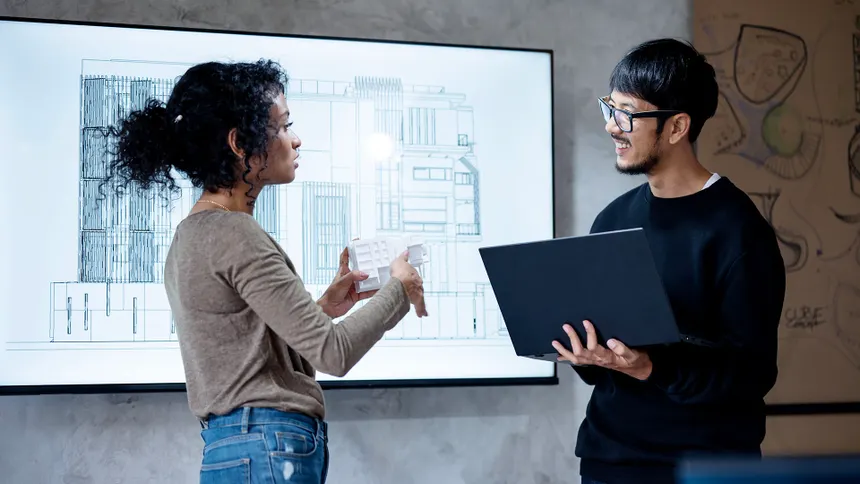
The greatest strength of Building Information Modeling (BIM) is its ability to bring every project stakeholder together in one connected digital environment. Instead of working with isolated drawings and disconnected documents, architects, engineers, contractors, consultants, and project owners collaborate using a single, coordinated BIM model.
This shared approach improves communication, speeds up decision-making, and reduces the risk of errors throughout the project lifecycle.
1. A Single Source of Truth
In traditional workflows, every discipline often maintains its own drawings and documentation. This increases the possibility of outdated information being used during design or construction.
BIM creates a single source of truth where all approved project information is stored and maintained.
Benefits
- Everyone works from the latest project information
- Reduced document duplication
- Improved design consistency
- Better transparency
- Fewer misunderstandings
When changes are made to the BIM model, updates are reflected throughout the project documentation, helping every stakeholder stay aligned.
2. Common Data Environment (CDE)
One of the key foundations of BIM collaboration is the Common Data Environment (CDE).
A CDE is a centralized digital platform where all project documents, BIM models, drawings, RFIs, and approvals are stored, managed, and shared.
Instead of sending files through multiple emails, every stakeholder accesses the same controlled environment.
Information Stored in a CDE
- BIM Models
- Drawings
- Specifications
- RFIs
- Submittals
- Shop Drawings
- Site Reports
- Issue Logs
- Revision History
Benefits
- Better version control
- Improved document security
- Faster approvals
- Reduced communication errors
- Improved project transparency
Popular CDE platforms include Autodesk Construction Cloud (ACC) and BIM 360.
3. Real-Time Model Sharing
Construction projects evolve constantly, with design updates occurring throughout the planning and construction phases.
Traditional workflows often require revised drawings to be manually distributed, creating delays and increasing the risk of outdated information being used.
With BIM, project teams can access the latest coordinated model in real time.
Advantages
- Faster design reviews
- Immediate visibility of changes
- Improved stakeholder communication
- Better remote collaboration
- Reduced document confusion
Real-time model sharing ensures that architects, engineers, contractors, and consultants are always working with current project data.
4. Improved Multi-Disciplinary Coordination
Modern construction projects involve several specialist disciplines working simultaneously.
These typically include:
- Architecture
- Structural Engineering
- Mechanical Engineering
- Electrical Engineering
- Plumbing Engineering
- Fire Protection
- Interior Design
- Landscape Design
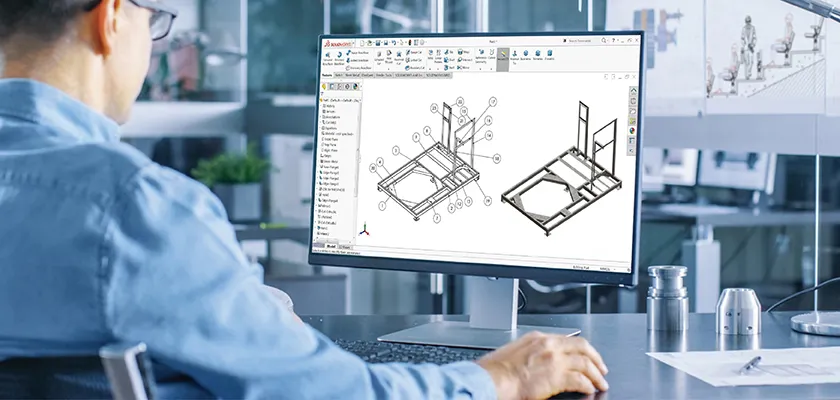
BIM Services integrates these disciplines into one coordinated model, making it easier to identify and resolve coordination issues before construction starts.
Benefits
- Better teamwork
- Reduced design conflicts
- Improved installation planning
- Faster approvals
- Greater design accuracy
5. Automated Clash Detection
In traditional workflows, clashes between building systems are often discovered only after construction begins.
BIM identifies these issues digitally before work reaches the site.
Common Clashes
| Clash Type | Example |
|---|---|
| Hard Clash | HVAC duct passing through a concrete beam |
| Soft Clash | Insufficient maintenance clearance around equipment |
| Workflow Clash | Overlapping construction activities |
Benefits
- Reduced rework
- Lower construction costs
- Better coordination
- Improved construction quality
- Faster project delivery
Software such as Autodesk Navisworks and Revizto enables teams to review, assign, and resolve clashes collaboratively before construction begins.
6. Better Communication Across Teams
Construction projects generate thousands of decisions throughout their lifecycle.
BIM improves communication by allowing stakeholders to discuss issues directly within the project model rather than relying solely on emails or marked-up drawings.
Improved Communication Includes
- Digital markups
- Issue tracking
- Coordination meetings
- Model comments
- Progress reviews
- Approval workflows
This creates a transparent communication process where every decision is documented and traceable.
Traditional Communication vs BIM Collaboration
| Traditional Workflow | BIM Workflow |
|---|---|
| Email chains | Centralized communication |
| Separate drawings | Shared coordinated model |
| Manual revisions | Automatic updates |
| Slow issue resolution | Digital issue tracking |
| Multiple file versions | Single approved model |
7. Faster Decision-Making
BIM provides project teams with accurate visual information, making it easier to evaluate design options and resolve issues quickly.
Instead of reviewing dozens of drawings, stakeholders can explore coordinated 3D models and understand project impacts immediately.
Examples
- Selecting façade systems
- Reviewing MEP layouts
- Planning construction sequences
- Evaluating design alternatives
- Coordinating equipment locations
This reduces delays associated with traditional review processes.
8. Improved Remote Collaboration
Construction projects increasingly involve teams working from different cities and countries.
Cloud-based BIM platforms enable secure collaboration regardless of location.
Remote Collaboration Benefits
- Access from anywhere
- Live model reviews
- Cloud document management
- Faster consultant coordination
- Improved client engagement
This flexibility is especially valuable for international projects involving multiple consultants and contractors.
Expert Insight
Successful construction projects rely on effective collaboration rather than isolated expertise. BIM enables architects, engineers, contractors, and project owners to work as one integrated team by providing accurate, centralized, and real-time project information. This collaborative approach reduces errors, improves accountability, and supports more efficient project delivery.
Benefits of BIM Collaboration for Developers
Developers are responsible for balancing project quality, budgets, timelines, and stakeholder expectations. BIM provides a collaborative environment that improves visibility across every stage of a project, enabling faster and more informed decision-making.
Instead of reviewing disconnected drawings and reports, developers can monitor progress through coordinated digital models that present accurate and up-to-date project information.
Key Benefits for Developers
- Better project visibility from concept to completion
- Improved coordination between design and construction teams
- Faster design approvals
- More accurate cost forecasting
- Reduced project risks
- Better communication with consultants and contractors
- Enhanced investor and stakeholder confidence
Practical Example
A developer planning a mixed-use development can use BIM to compare multiple design options, evaluate construction sequencing, and review cost implications before approving the final design. This collaborative approach reduces uncertainty and supports better investment decisions.
Benefits of BIM Collaboration for Contractors
Contractors depend on clear communication and coordinated information to deliver projects efficiently. BIM provides accurate models, shop drawings, and issue tracking that reduce confusion on-site and improve execution.
Instead of resolving clashes during construction, contractors can address them during the design phase, saving both time and money.
Key Benefits for Contractors
- Coordinated construction documentation
- Reduced Requests for Information (RFIs)
- Improved construction sequencing
- Better subcontractor coordination
- Fewer installation conflicts
- Reduced rework
- Improved productivity
- Better site planning
Example
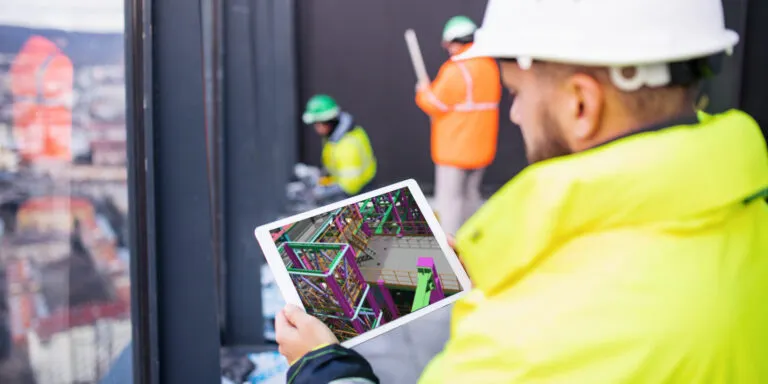
Before installation begins, the contractor reviews the federated BIM model with architectural, structural, and MEP teams. Potential conflicts are resolved digitally, allowing site work to proceed with fewer interruptions and change orders.
Benefits of BIM Collaboration for Consultants
Architects, structural engineers, and MEP consultants often work simultaneously on complex projects. Without effective collaboration, design inconsistencies can lead to delays, additional revisions, and increased project costs.
BIM provides a shared environment where consultants coordinate designs throughout the project lifecycle.
Consultant Benefits
- Improved multidisciplinary coordination
- Faster design reviews
- Reduced design conflicts
- Better documentation accuracy
- Simplified client presentations
- Enhanced compliance with project standards
- Improved communication between disciplines
Interactive BIM models also help consultants explain technical concepts more clearly to clients, reducing misunderstandings and accelerating approvals.
Benefits of BIM Collaboration for Facility Managers
The value of BIM extends beyond design and construction. Once a project is completed, facility managers can use as-built BIM models to operate and maintain the building more efficiently.
Instead of relying on paper drawings or disconnected records, facility teams have access to a comprehensive digital model containing asset information and maintenance data.
Facility Management Benefits
- Accurate asset information
- Faster maintenance planning
- Simplified equipment tracking
- Better space management
- Improved lifecycle planning
- Reduced operational costs
BIM supports long-term building performance by ensuring critical information remains accessible throughout the asset’s lifecycle.
How BIM Supports Better Project Communication
Effective communication is essential for delivering successful construction projects. BIM improves communication by making project information visible, accessible, and easy to understand.
BIM Communication Tools
- Model-based coordination meetings
- Digital issue tracking
- Cloud document sharing
- Real-time markups
- Coordination dashboards
- Approval workflows
These tools help teams resolve issues quickly and maintain transparency throughout the project.
BIM Outsourcing Improves Collaboration
Many organizations choose to outsource BIM services to experienced specialists rather than building large in-house teams.
Professional BIM providers establish standardized workflows, ensuring consistent model quality and efficient collaboration across multiple disciplines.
Benefits of BIM Outsourcing
- Access to experienced BIM professionals
- Faster project delivery
- Consistent modeling standards
- Scalable resources
- Reduced recruitment and training costs
- Improved coordination quality
- Better support for international projects
Partnering with a trusted BIM provider allows organizations to focus on construction execution while benefiting from expert digital engineering support.
Real-World Example
A contractor delivering a large commercial development integrated architectural, structural, and MEP models into a shared BIM environment before construction. During coordination meetings, several conflicts between ductwork, cable trays, and structural elements were identified and resolved digitally. This collaborative process reduced on-site rework, improved installation sequencing, and helped maintain the project schedule.
Measuring the ROI of BIM Collaboration
Although implementing BIM requires investment in software, training, and workflows, the return on investment is often significant.
Areas Where Collaboration Delivers ROI
| Area | Business Benefit |
|---|---|
| Design Coordination | Fewer design revisions |
| Communication | Faster decision-making |
| Clash Detection | Reduced rework |
| Documentation | Greater accuracy |
| Scheduling | Improved project timelines |
| Procurement | Better material planning |
| Quality | Fewer construction errors |
| Facility Management | Lower operational costs |
Organizations that adopt collaborative BIM workflows often experience improved productivity, better project outcomes, and stronger client satisfaction.
Expert Insight
Technology alone does not guarantee successful collaboration. The greatest benefits of BIM are achieved when organizations establish clear communication processes, standardized workflows, and a culture of collaboration. By combining skilled professionals, intelligent BIM models, and cloud-based platforms, construction teams can deliver projects more efficiently while reducing risks and improving quality.
BIM Software That Enables Seamless Collaboration
Successful BIM collaboration depends not only on skilled professionals but also on the right technology. Modern BIM software connects architects, engineers, contractors, consultants, and project owners through shared digital environments, allowing teams to coordinate efficiently from design through construction and facility management.
Below are some of the industry’s leading BIM platforms and how they improve collaboration.
Autodesk Revit
Autodesk Revit is one of the most widely used BIM authoring tools for architectural, structural, and MEP design. Unlike traditional drafting software, Revit uses intelligent parametric objects that automatically update across plans, elevations, sections, schedules, and 3D views.
How Revit Improves Collaboration
- Shared project models
- Worksharing between multiple team members
- Automatic drawing updates
- Consistent documentation
- Better multidisciplinary coordination
- Improved design visualization
Typical Applications
- Architectural BIM Modeling
- Structural BIM Modeling
- MEP BIM Modeling
- Shop Drawings
- Design Documentation
Autodesk Navisworks
Navisworks combines models from multiple disciplines into a single federated model, enabling project teams to review, coordinate, and resolve issues before construction begins.
Collaboration Features
- Clash detection
- Model aggregation
- Construction sequencing (4D)
- Coordination reviews
- Quantity verification
- Project simulation
Benefits
- Reduces on-site conflicts
- Improves installation planning
- Enhances communication between disciplines
- Supports better construction scheduling
Autodesk Construction Cloud (ACC)
Autodesk Construction Cloud (ACC) is a cloud-based platform that centralizes project information and improves collaboration across geographically distributed teams.
Key Features
- Common Data Environment (CDE)
- Cloud document management
- Model coordination
- Issue tracking
- RFI management
- Approval workflows
- Project dashboards
Benefits
- Real-time collaboration
- Secure information sharing
- Better document control
- Improved project transparency
- Faster decision-making
ACC helps eliminate information silos by ensuring every stakeholder works from the latest approved project data.
BIM 360
BIM 360 continues to be used by many organizations for cloud collaboration and project management, particularly on projects initiated before the adoption of Autodesk Construction Cloud.
Applications
- Design collaboration
- Document management
- Site coordination
- Construction administration
- Field reporting
Advantages
- Centralized project documentation
- Better communication between office and site teams
- Faster issue resolution
- Improved project visibility
Revizto
Revizto enhances collaboration by combining BIM models with issue tracking, making it easier for project teams to communicate and resolve design or construction problems.
Collaboration Benefits
- Centralized issue management
- Real-time markups
- Mobile accessibility
- Integrated model reviews
- Faster coordination meetings
By linking issues directly to the BIM model, Revizto improves accountability and reduces delays in resolving coordination problems.
AutoCAD
Although BIM has transformed digital construction, AutoCAD remains a valuable tool for producing detailed 2D drawings and supporting projects that require legacy documentation.
Common Uses
- Existing condition drawings
- Construction details
- CAD drafting
- As-built updates
- Detail sheets
AutoCAD often complements BIM workflows during design development and documentation.
Civil 3D
Civil 3D is designed for infrastructure projects and supports roads, grading, utilities, drainage, and land development.
Collaboration Benefits
- Integration with BIM workflows
- Improved coordination between civil and building teams
- Accurate terrain modeling
- Better infrastructure planning
Dynamo
Dynamo extends the capabilities of Revit by enabling visual programming and workflow automation.
Common Automation Tasks
- Automated parameter updates
- Model quality checks
- Sheet creation
- Quantity calculations
- Family management
Automation reduces repetitive tasks, allowing BIM teams to focus on higher-value coordination and design activities.
BIM Software Comparison
| Software | Primary Purpose | Collaboration Benefit |
|---|---|---|
| Autodesk Revit | BIM Modeling | Shared intelligent models |
| Navisworks | Coordination | Clash detection & model review |
| Autodesk Construction Cloud | Cloud Collaboration | Common Data Environment |
| BIM 360 | Project Management | Document and team coordination |
| Revizto | Issue Tracking | Faster communication & resolution |
| AutoCAD | 2D Drafting | Legacy documentation support |
| Civil 3D | Infrastructure Design | Civil engineering coordination |
| Dynamo | Automation | Increased productivity & consistency |
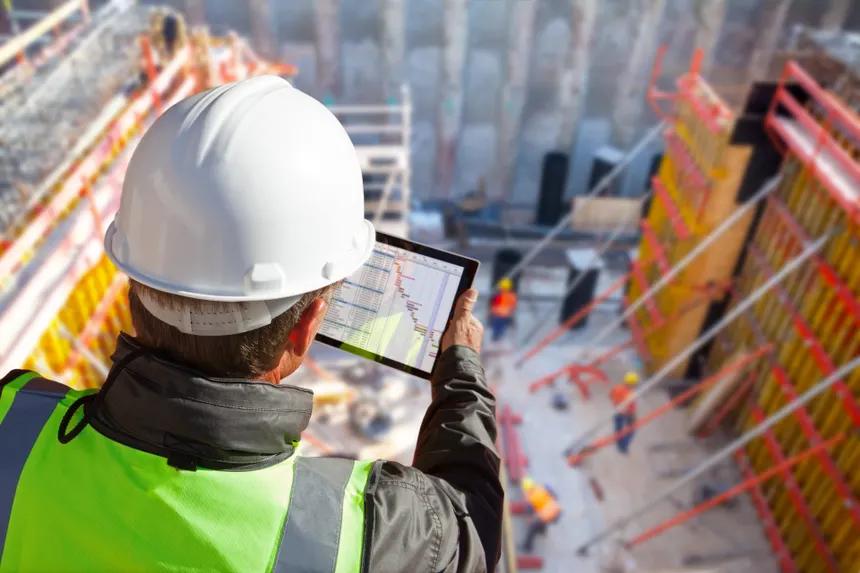
ISO 19650 Best Practices for Collaboration
ISO 19650 is the international standard for managing information using BIM. It provides a structured framework that helps project teams collaborate consistently and securely throughout the asset lifecycle.
Key Principles
- Common Data Environment (CDE)
- Defined roles and responsibilities
- Standardized naming conventions
- Controlled document revisions
- Secure information exchange
- Lifecycle information management
Benefits
- Improved information quality
- Consistent collaboration processes
- Better document control
- Reduced project risks
- Enhanced accountability
Organizations that follow ISO 19650 establish repeatable workflows that improve communication and project outcomes.
Common Collaboration Challenges and Solutions
Even with BIM, successful collaboration requires the right processes and organizational commitment.
| Challenge | Solution |
|---|---|
| Resistance to change | Provide BIM training and pilot projects |
| Inconsistent modeling standards | Develop a BIM Execution Plan (BEP) |
| Poor communication | Use cloud-based collaboration platforms |
| Version control issues | Implement a Common Data Environment (CDE) |
| Limited BIM expertise | Partner with experienced BIM service providers |
| Data security concerns | Apply secure access controls and governance |
Future of Digital Collaboration in Construction
Construction collaboration continues to evolve through new technologies that enhance efficiency and decision-making.
Artificial Intelligence (AI)
AI is increasingly used to:
- Identify model inconsistencies
- Predict coordination issues
- Automate quality checks
- Optimize project schedules
- Improve project analytics
Digital Twins
Digital Twins extend BIM by connecting models with live operational data.
Applications
- Predictive maintenance
- Energy optimization
- Asset monitoring
- Occupancy analysis
- Building performance management
Cloud-Based Collaboration
Cloud platforms allow project teams in different locations to work together using shared models, reducing delays and improving communication across global projects.
Sustainable Construction
BIM also supports sustainability by helping teams:
- Reduce material waste
- Improve energy performance
- Optimize resource utilization
- Lower carbon emissions
- Enhance lifecycle asset management
Expert Insight
The future of construction depends on connected, data-driven collaboration. Organizations that adopt BIM, cloud platforms, automation, and international standards such as ISO 19650 are better equipped to deliver projects with greater efficiency, transparency, and quality. Effective collaboration is no longer a competitive advantage—it is becoming an industry expectation.
Frequently Asked Questions (FAQs)
1. How do BIM services improve collaboration in construction?
BIM services create a shared digital environment where architects, structural engineers, MEP consultants, contractors, and project owners work with the same up-to-date model. This improves communication, minimizes errors, and enables faster decision-making throughout the project lifecycle.
2. What is collaboration in BIM?
Collaboration in BIM refers to multiple disciplines working together using a coordinated Building Information Model. Teams can review designs, detect clashes, manage issues, and share project information through a centralized platform, improving efficiency and reducing miscommunication.
3. What is a Common Data Environment (CDE)?
A Common Data Environment (CDE) is a centralized digital platform where BIM models, drawings, specifications, RFIs, and project documents are stored and managed. It ensures all stakeholders have access to the latest approved project information.
4. Which BIM software supports collaboration?
The most commonly used BIM collaboration software includes:
- Autodesk Revit
- Autodesk Navisworks
- Autodesk Construction Cloud (ACC)
- BIM 360
- Revizto
- AutoCAD
- Civil 3D
- Dynamo
These tools help improve design coordination, communication, issue tracking, and document management.
5. How does BIM reduce communication errors?
BIM replaces fragmented communication methods with a centralized model and cloud-based collaboration platform. Every stakeholder works with the same information, reducing misunderstandings, duplicate work, and outdated documentation.
6. Can BIM improve collaboration on large projects?
Yes. BIM is particularly valuable for large and complex projects involving multiple disciplines, consultants, contractors, and stakeholders. It enables coordinated planning, efficient communication, and better project control across geographically distributed teams.
7. What are the benefits of BIM collaboration for contractors?
Contractors benefit from:
- Better construction coordination
- Fewer Requests for Information (RFIs)
- Improved installation planning
- Reduced rework
- Better subcontractor communication
- More efficient site execution
8. How does BIM support facility management?
As-built BIM models provide facility managers with accurate information about building components, equipment, maintenance schedules, and asset data. This improves operations, maintenance planning, and lifecycle management.
9. Why is ISO 19650 important for BIM collaboration?
ISO 19650 establishes international standards for managing information throughout a project’s lifecycle. It promotes consistent workflows, better document control, and secure collaboration among all project stakeholders.
10. Why choose BIM Connect for collaborative BIM services?
BIM Connect delivers comprehensive BIM solutions that improve coordination, streamline communication, and support successful project delivery. Our team combines technical expertise with industry best practices to help developers, contractors, consultants, and asset owners achieve better project outcomes.
Conclusion
Collaboration is one of the most important factors influencing the success of modern construction projects. As buildings become more complex and multidisciplinary teams grow larger, traditional communication methods are no longer sufficient to manage project information effectively.
Building Information Modeling (BIM) transforms collaboration by creating a centralized digital environment where architects, structural engineers, MEP consultants, contractors, and project owners work together using accurate, real-time project information. This integrated approach reduces design conflicts, improves coordination, minimizes rework, and supports better decision-making throughout the entire project lifecycle.
Beyond improving communication, BIM also strengthens project transparency, enhances quality, supports cost control, and enables more predictable project delivery. Whether designing commercial towers, residential developments, healthcare facilities, hospitality projects, or infrastructure assets, BIM provides the collaborative foundation needed to deliver successful outcomes.
As cloud collaboration, automation, artificial intelligence, and Digital Twins continue to shape the future of construction, organizations that adopt BIM will be better positioned to improve efficiency, reduce risks, and remain competitive in an increasingly digital industry.
Why Choose BIM Connect?
BIM Connect is a Dubai-based BIM services and BIM outsourcing company helping developers, contractors, consultants, and engineering firms deliver coordinated, efficient, and data-driven construction projects across the UAE, GCC, and international markets.
Our BIM Services
- Architectural BIM Modeling
- Structural BIM Modeling
- MEP BIM Modeling
- BIM Coordination
- Clash Detection & Resolution
- BIM Management
- BIM Execution Planning (BEP)
- BIM Outsourcing
- CAD Drafting Services
- Scan to BIM
- As-Built BIM Modeling
- Shop Drawings
- BIM Resource Supply
Why Partner with BIM Connect?
- Experienced BIM professionals
- ISO 19650-aligned workflows
- Expertise in Autodesk Revit, Navisworks, Autodesk Construction Cloud (ACC), BIM 360, Revizto, AutoCAD, Civil 3D, and Dynamo
- Scalable BIM outsourcing solutions
- High-quality coordinated BIM models
- Proven experience across residential, commercial, hospitality, healthcare, industrial, and infrastructure sectors
- Dedicated support from concept design to project handover
Whether you need complete BIM implementation, multidisciplinary coordination, or dedicated BIM resources, BIM Connect delivers reliable digital engineering solutions tailored to your project requirements.
Improve Collaboration with BIM Connect
Stronger collaboration leads to better project outcomes. If you’re looking to reduce coordination issues, improve communication, and streamline project delivery, BIM Connect can help.
Get Started Today
- Request a free BIM consultation
- Discuss your project requirements with our BIM experts
- Request a customized proposal
- Outsource BIM modeling and coordination
- Hire dedicated BIM professionals
- Implement ISO 19650-compliant workflows
Partner with BIM Connect to create smarter, more connected construction projects that are delivered on time, within budget, and with greater confidence.