How BIM Services Reduce Construction Costs and Project Risks
Introduction
Building Information Modeling (BIM) has transformed how construction projects are planned, coordinated, and delivered. Instead of relying on disconnected drawings and manual workflows, BIM creates an intelligent digital representation of a project that integrates architectural, structural, and MEP information into a single collaborative environment.
By providing accurate project data, automated coordination, and real-time collaboration, BIM helps teams identify problems before construction begins. This proactive approach significantly reduces unnecessary costs, minimizes project risks, and improves overall efficiency.
Whether you’re a developer managing a large residential community, a contractor delivering commercial projects, or a consultant coordinating multidisciplinary designs, BIM provides the insights and control needed to achieve successful project outcomes.
In this article, we’ll explore how BIM services reduce construction costs and project risks, the technologies behind modern BIM workflows, and why organizations across Dubai, the UAE, and globally are investing in BIM as a strategic advantage.
What Are BIM Services?
Building Information Modeling (BIM) services involve the creation, coordination, management, and analysis of intelligent digital models throughout a project’s lifecycle. Unlike traditional CAD drawings, BIM models contain both graphical and data-rich information, enabling all stakeholders to collaborate using a single, reliable source of truth.
Core BIM Services
Professional BIM providers typically offer:
- Architectural BIM Modeling
- Structural BIM Modeling
- MEP BIM Modeling
- BIM Coordination
- Clash Detection & Resolution
- BIM Management
- BIM Execution Planning (BEP)
- Shop Drawings
- Scan to BIM
- As-Built BIM Modeling
- Quantity Take-Offs
- 4D Construction Sequencing
- 5D Cost Estimation
- Facility Management Models
These services improve communication, reduce errors, and support informed decision-making from concept design through facility operations.
Why BIM Is More Than 3D Modeling
A common misconception is that BIM is simply a 3D modeling tool. In reality, BIM is a collaborative process that integrates design, scheduling, costing, documentation, and asset information into a single digital workflow.
Modern BIM capabilities include:
- Intelligent object-based modeling
- Real-time collaboration
- Automated clash detection
- Quantity take-offs
- 4D construction scheduling
- 5D cost estimation
- Cloud-based document management
- Lifecycle asset information
This integrated approach enables project teams to make faster, data-driven decisions while reducing waste and improving efficiency.
Why Construction Costs and Project Risks Are Increasing
Construction projects today are more complex than ever before. As buildings become larger and more technologically advanced, project teams must coordinate thousands of interconnected components across multiple disciplines.
Without effective coordination, even small issues can escalate into costly problems.
Common Causes of Cost Overruns
Design Conflicts
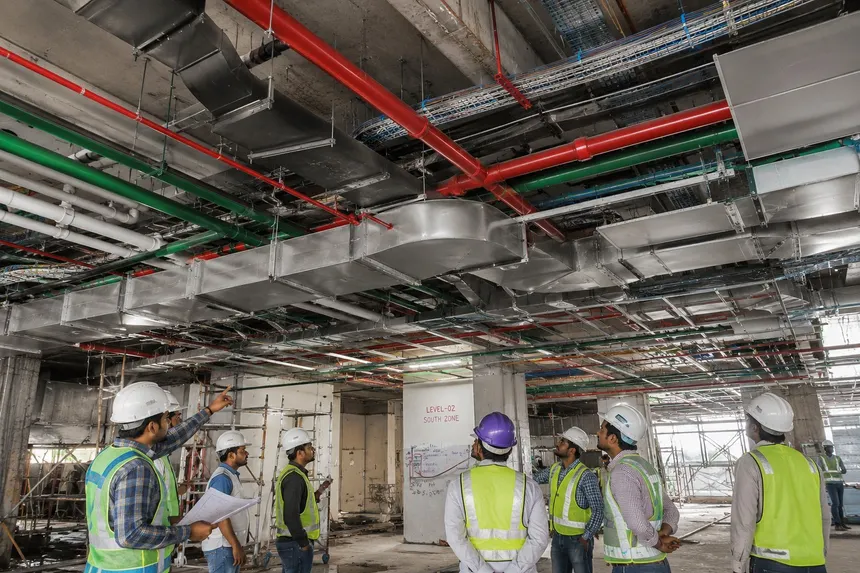
Uncoordinated architectural, structural, and MEP drawings often result in clashes discovered during construction.
Examples include:
- HVAC ducts intersecting structural beams
- Plumbing systems conflicting with electrical installations
- Insufficient maintenance clearances
- Inaccurate ceiling layouts
Resolving these issues on-site often requires redesign, demolition, additional labor, and material replacement.
Poor Communication
Multiple stakeholders working from outdated drawings or inconsistent documentation can create misunderstandings that lead to delays and rework.
Frequent Design Changes
Late-stage design modifications can significantly impact:
- Procurement
- Construction schedules
- Labor allocation
- Material quantities
- Overall project budgets
Inaccurate Quantity Estimation
Manual quantity take-offs are time-consuming and susceptible to human error. Underestimating or overestimating materials can result in procurement issues, waste, or unexpected expenses.
Inefficient Construction Planning
Without proper sequencing and visualization, contractors may encounter logistical challenges, resource conflicts, or scheduling delays during construction.
Common Project Risks
Construction projects typically face risks such as:
- Design errors
- Scope changes
- Budget overruns
- Schedule delays
- Material waste
- Coordination failures
- Safety concerns
- Contract disputes
- Poor documentation
- Quality issues
Many of these risks can be significantly reduced through early BIM implementation.
10 Ways BIM Services Reduce Construction Costs
One of the biggest reasons developers, contractors, and consultants invest in BIM services is the ability to control project costs. Instead of reacting to problems during construction, BIM helps teams identify and resolve issues during the planning and design stages, where changes are significantly less expensive.
Below are ten practical ways BIM services reduce construction costs.
1. Early Clash Detection Eliminates Costly Rework
One of the most valuable features of BIM is clash detection.
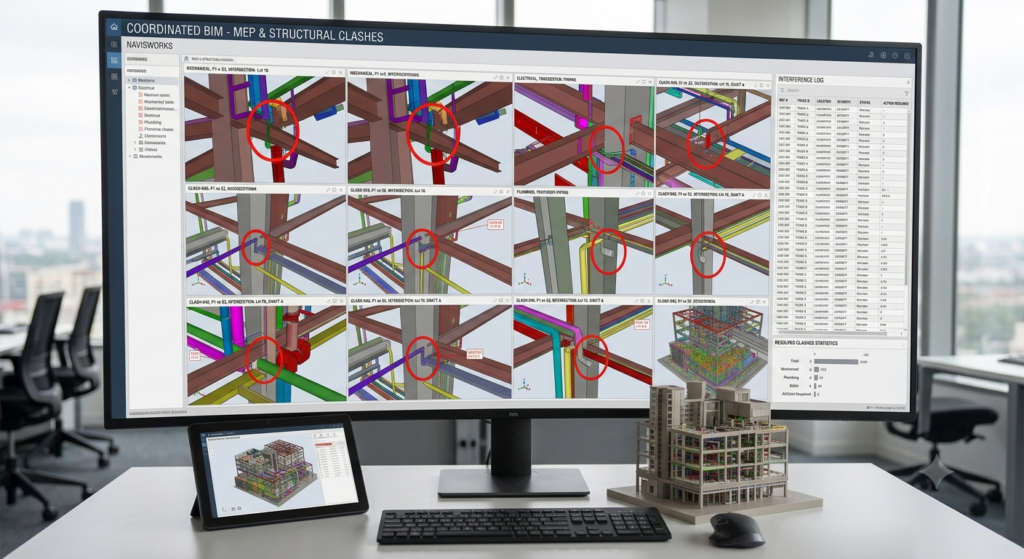
By combining architectural, structural, and MEP models into a federated model, BIM software identifies conflicts before construction begins.
Common Examples
- HVAC ducts intersecting structural beams
- Plumbing pipes passing through concrete columns
- Cable trays conflicting with ceiling systems
- Fire protection pipes overlapping electrical services
Using software like Autodesk Navisworks and Revizto, BIM specialists resolve these issues during design rather than on-site.
Benefits
- Reduced demolition
- Less material waste
- Lower labor costs
- Fewer Requests for Information (RFIs)
- Faster installation
2. Automated Quantity Take-Offs Improve Cost Accuracy
Traditional quantity estimation often relies on manual calculations, increasing the risk of human error.
BIM automatically extracts quantities directly from the model, ensuring greater accuracy.
Automatically Generated Quantities
- Concrete
- Reinforcement steel
- Structural steel
- HVAC ductwork
- Plumbing systems
- Electrical conduits
- Finishes
- Doors and windows
Advantages
- Faster estimating
- Reduced material shortages
- Better procurement planning
- Lower waste
- Improved budget accuracy
3. Better Design Coordination Reduces Variations
Construction variations are a major cause of budget overruns.
BIM allows architects, structural engineers, and MEP consultants to coordinate their designs before construction starts.
Results
- Fewer design revisions
- Reduced change orders
- Better documentation
- Faster approvals
- Lower redesign costs
4. 4D BIM Improves Construction Scheduling
Time delays often lead to increased labor, equipment, and overhead costs.
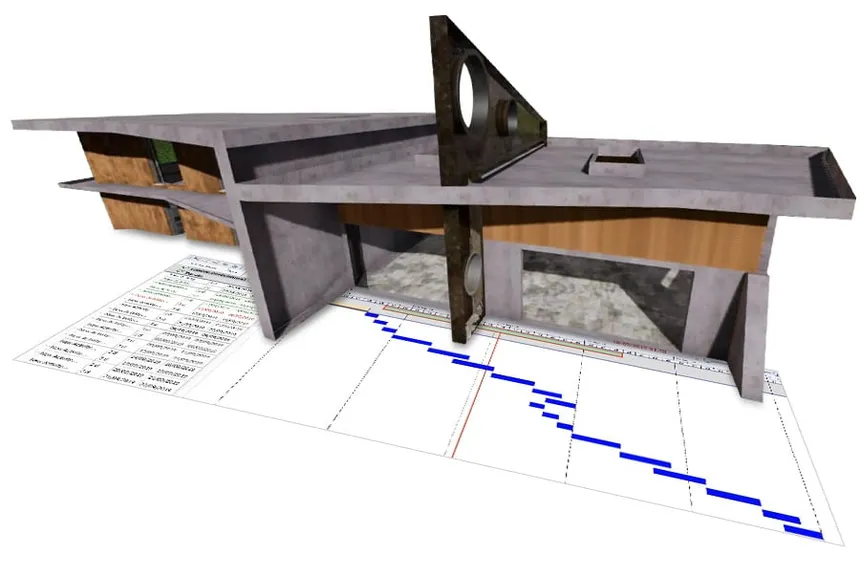
4D BIM links construction schedules to the digital model, allowing project teams to simulate each construction phase.
Benefits
- Improved sequencing
- Better resource planning
- Reduced idle time
- Optimized site logistics
- Earlier identification of scheduling conflicts
Contractors can visualize construction activities and adjust schedules before work begins.
5. 5D BIM Enhances Cost Management
5D BIM integrates project costs with the BIM model, enabling real-time financial analysis.
5D BIM Supports
- Budget forecasting
- Cost comparison
- Procurement planning
- Design option analysis
- Change management
Example
If the project team decides to replace one façade material with another, the BIM model automatically updates quantities and associated costs, helping stakeholders assess the financial impact immediately.
6. Reduced Material Waste
Material waste affects both project budgets and sustainability goals.
Because BIM provides accurate quantities and coordinated designs, contractors order materials more efficiently.
Benefits
- Less over-ordering
- Fewer damaged materials
- Better inventory control
- Improved sustainability
- Lower disposal costs
7. Improved Productivity
Construction teams spend less time resolving design issues when they work from coordinated BIM models.
Productivity Improvements
- Faster decision-making
- Better communication
- Clear installation information
- Reduced downtime
- Efficient subcontractor coordination
Higher productivity translates directly into lower labor costs.
8. Better Procurement Planning
Accurate BIM data allows procurement teams to purchase materials at the right time and in the correct quantities.
Procurement Benefits
- Better supplier coordination
- Reduced storage costs
- Fewer emergency purchases
- Improved cash flow
- Lower inventory risks
9. Accurate Shop Drawings
BIM-generated shop drawings contain precise dimensions and coordinated installation details.
This helps contractors:
- Improve fabrication accuracy
- Reduce installation errors
- Minimize rework
- Increase construction quality
10. Long-Term Operational Cost Savings
The benefits of BIM continue after construction is complete.
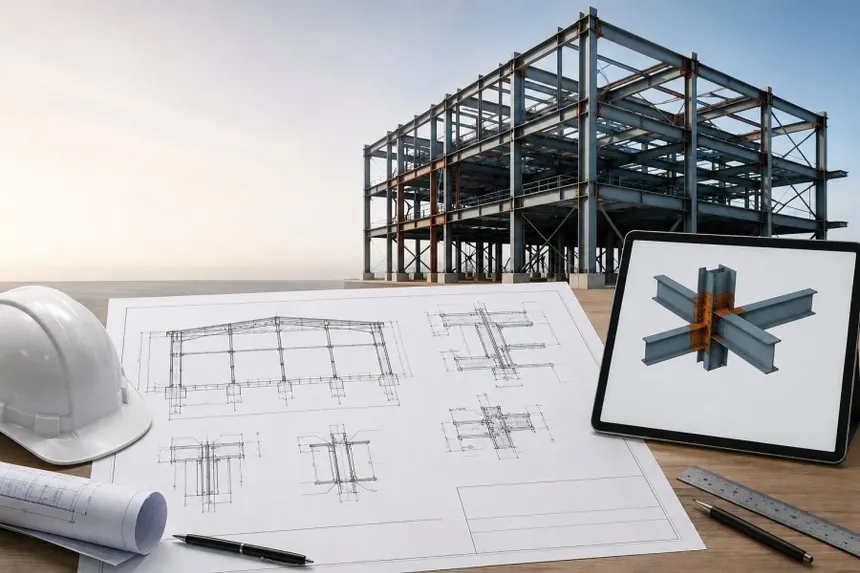
As-built BIM models support facility managers by providing accurate digital information about building systems and assets.
Facility Management Benefits
- Preventive maintenance planning
- Faster asset tracking
- Reduced maintenance costs
- Improved space management
- Better lifecycle planning
These long-term savings make BIM a valuable investment beyond the construction phase.
Summary: How BIM Reduces Construction Costs
| BIM Capability | Cost-Saving Benefit |
|---|---|
| Clash Detection | Eliminates costly rework |
| Quantity Take-Offs | Improves estimation accuracy |
| Design Coordination | Reduces change orders |
| 4D BIM | Minimizes scheduling delays |
| 5D BIM | Improves cost forecasting |
| Material Optimization | Reduces waste |
| Productivity Improvements | Lowers labor costs |
| Procurement Planning | Optimizes purchasing |
| Shop Drawings | Improves fabrication accuracy |
| Facility Management Models | Reduces operational expenses |
Expert Insight
The greatest cost savings from BIM come from preventing problems before they reach the construction site. Every coordination issue resolved during the design phase avoids significantly higher costs associated with on-site modifications, project delays, and contractual disputes. This proactive approach enables organizations to deliver projects more efficiently while maintaining quality and budget control.
How BIM Services Reduce Project Risks
Every construction project involves risks that can affect quality, cost, safety, and delivery schedules. These risks may arise from design errors, poor communication, inaccurate documentation, unexpected site conditions, or ineffective coordination between disciplines.
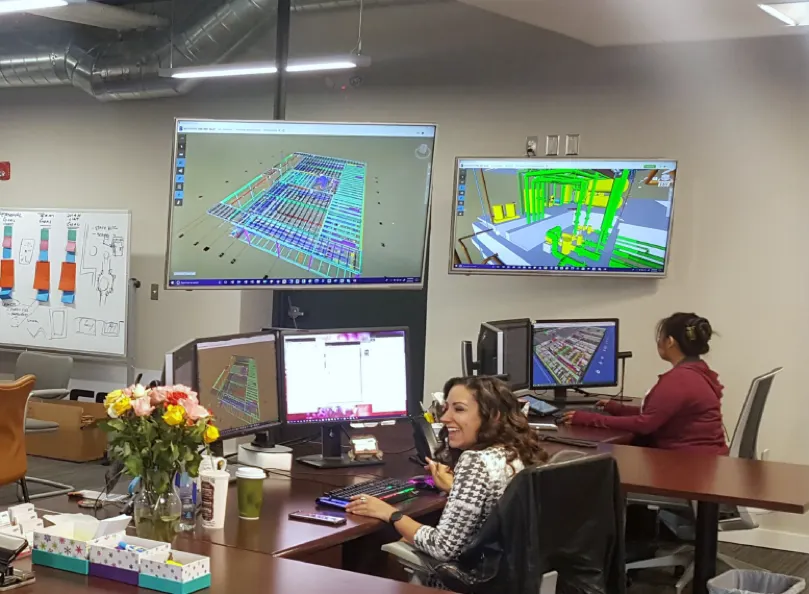
Building Information Modeling (BIM) helps mitigate these risks by providing a centralized digital environment where stakeholders can identify issues early, collaborate effectively, and make informed decisions based on accurate project data.
1. Reducing Design Risks
Design-related issues are among the most common causes of project delays and cost overruns. In traditional workflows, architects, structural engineers, and MEP consultants often work independently, increasing the likelihood of inconsistencies between drawings.
With BIM, all disciplines contribute to a coordinated model, allowing design conflicts to be identified and resolved before construction begins.
Examples of Design Risks
- Structural elements interfering with HVAC systems
- Plumbing layouts conflicting with electrical installations
- Ceiling heights affecting MEP routing
- Equipment lacking maintenance access
BIM Solutions
- Multi-disciplinary coordination
- Federated models
- Automated clash detection
- Design reviews
- Coordination meetings
2. Minimizing Construction Risks
Construction teams rely on accurate information to execute work safely and efficiently.
BIM reduces construction risks by providing:
- Coordinated shop drawings
- Installation sequencing
- Material quantities
- Construction simulations
- Updated project information
This reduces uncertainty and helps contractors avoid costly on-site surprises.
3. Improving Information Accuracy
Poor information management often leads to:
- Conflicting drawings
- Outdated documentation
- Communication gaps
- Incorrect installations
A Common Data Environment (CDE), supported by platforms like Autodesk Construction Cloud, ensures all stakeholders work with the latest approved information.
Benefits
- Better document control
- Version management
- Reduced miscommunication
- Improved collaboration
- Reliable project records
4. Supporting Better Decision-Making
BIM provides project managers with real-time information for evaluating design alternatives, scheduling, procurement, and budgeting.
Instead of relying on assumptions, teams make decisions based on accurate model data.
Examples
- Comparing design options
- Evaluating construction sequences
- Reviewing project costs
- Planning resource allocation
This proactive approach reduces uncertainty and improves project outcomes.
5. Enhancing Construction Safety
Although BIM is not a replacement for site safety programs, it contributes to safer project execution by improving planning and visualization.
Safety Applications
- Crane positioning
- Temporary works planning
- Site logistics
- Worker access routes
- Hazard identification
4D BIM simulations allow teams to visualize construction activities and identify potential safety concerns before work begins.
Benefits of BIM Services for Developers
Developers are responsible for delivering projects that meet quality expectations while remaining financially viable. BIM supports this objective by improving project planning, cost control, and decision-making.
Key Benefits
- Improved project visualization
- Better cost forecasting
- Reduced design risks
- Faster approvals
- Increased return on investment (ROI)
- Improved stakeholder confidence
Practical Example
A residential developer uses BIM to compare different façade systems during the design stage. The coordinated model provides updated quantities, cost implications, and construction impacts, enabling informed decisions before procurement.
Benefits of BIM Services for Contractors
Contractors benefit from working with coordinated BIM models that reduce uncertainty during construction.
Advantages
- Fewer RFIs
- Coordinated shop drawings
- Improved installation accuracy
- Better construction sequencing
- Reduced rework
- Enhanced productivity
On-Site Impact
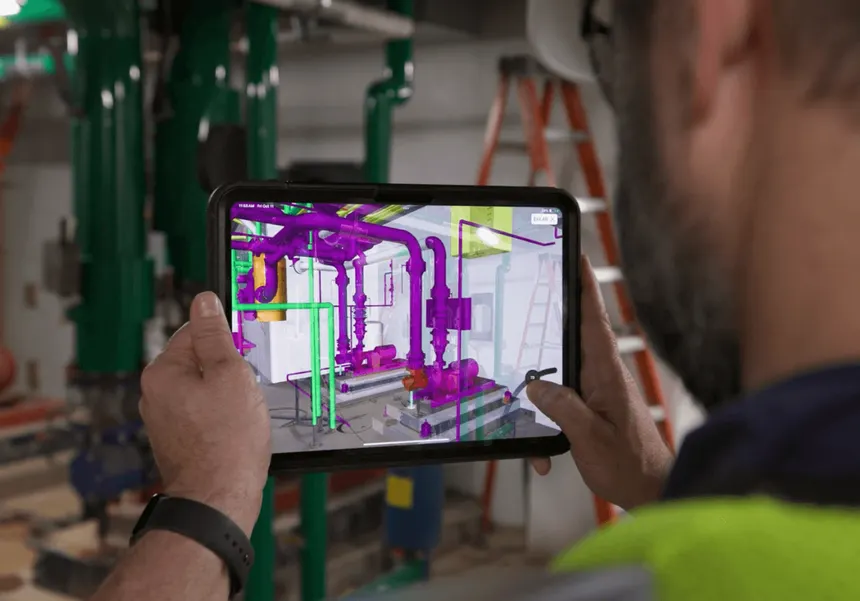
With coordinated models and accurate documentation, site teams spend less time resolving conflicts and more time executing planned activities.
Benefits of BIM Services for Consultants
Consultants play a critical role in ensuring technical accuracy and compliance throughout the project lifecycle.
BIM empowers consultants to deliver higher-quality designs through improved coordination and data-driven decision-making.
Consultant Benefits
- Better multidisciplinary coordination
- Enhanced design validation
- Improved client presentations
- Faster design reviews
- Compliance with project standards
- Reduced documentation errors
Interactive BIM models also improve communication with clients by presenting complex engineering information in a visual and accessible format.
Why BIM Outsourcing Reduces Business Risks
Many organizations choose to outsource BIM services rather than build large in-house teams.
Benefits of BIM Outsourcing
- Access to experienced BIM specialists
- Reduced recruitment and training costs
- Scalable project resources
- Faster turnaround times
- Consistent model quality
- Support for multiple simultaneous projects
Partnering with an experienced BIM provider allows companies to focus on core construction activities while ensuring professional BIM delivery.
Real-World Example
A contractor working on a multi-story commercial building integrated architectural, structural, and MEP models into a federated BIM environment before construction. During coordination, several conflicts between ductwork, structural beams, and cable trays were identified and resolved digitally. As a result, the project team reduced on-site rework, improved installation efficiency, and maintained better control over the construction schedule and budget.
Expert Tip
The most effective BIM implementations begin early in the project lifecycle. Introducing BIM during concept design allows teams to identify coordination issues, optimize layouts, and establish standardized workflows before costly decisions are locked into construction documents.
BIM vs Traditional Construction: A Comparison
Traditional construction workflows typically rely on separate 2D drawings, manual coordination, and fragmented communication between stakeholders. As projects become more complex, this approach often leads to design conflicts, project delays, and budget overruns.
Building Information Modeling (BIM) transforms this process by creating a centralized digital model that connects architectural, structural, MEP, scheduling, and cost information in one collaborative environment.
BIM vs Traditional Construction
| Feature | Traditional Construction | BIM-Based Construction |
|---|---|---|
| Design Documentation | Separate 2D drawings | Intelligent 3D models |
| Collaboration | Emails and disconnected files | Shared Common Data Environment (CDE) |
| Clash Detection | During construction | Before construction |
| Quantity Take-Offs | Manual calculations | Automated from the BIM model |
| Cost Management | Separate spreadsheets | Integrated 5D BIM |
| Project Scheduling | Manual planning | 4D BIM simulations |
| Information Updates | Manual revisions | Real-time synchronization |
| Facility Management | Paper records | Digital asset information |
Why BIM Performs Better
By integrating all project information into a single model, BIM enables early problem detection, faster collaboration, and more accurate decision-making. This reduces rework, improves productivity, and supports predictable project outcomes.
BIM Technologies That Help Reduce Costs and Risks
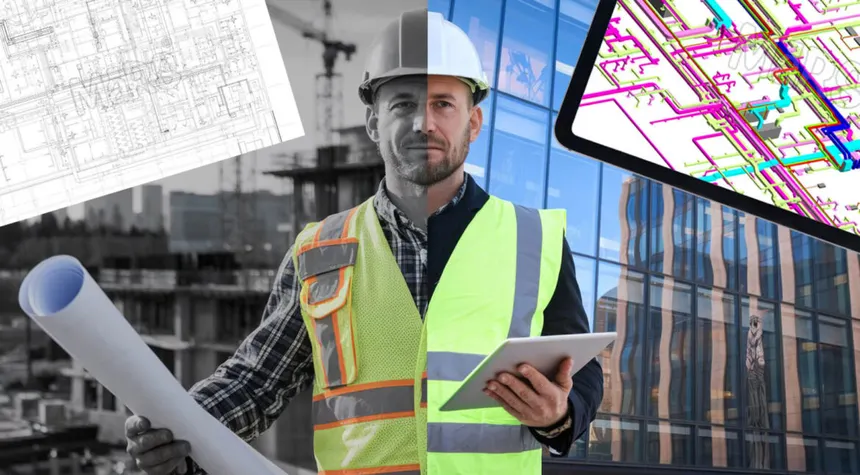
Successful BIM implementation depends on both skilled professionals and the right software ecosystem. Each platform contributes to improving coordination, collaboration, and project efficiency.
Autodesk Revit
Autodesk Revit is the primary BIM authoring platform used for creating intelligent architectural, structural, and MEP models.
Key Benefits
- Accurate 3D modeling
- Coordinated documentation
- Parametric design updates
- Automated schedules
- Shop drawing production
Autodesk Navisworks
Navisworks enables multidisciplinary coordination by combining models into a federated environment.
Applications
- Clash detection
- Model review
- Construction sequencing
- Coordination meetings
- 4D simulations
Its clash detection capabilities significantly reduce design-related construction risks.
Autodesk Construction Cloud (ACC)
ACC serves as a Common Data Environment (CDE), allowing project teams to manage documents, models, issues, and approvals from a centralized cloud platform.
Advantages
- Version control
- Document management
- Issue tracking
- Model coordination
- Remote collaboration
BIM 360
Many organizations continue to use BIM 360 for existing projects, supporting design collaboration and document control across multidisciplinary teams.
Revizto
Revizto enhances collaboration by connecting BIM models, drawings, and issue tracking into a single interface.
Benefits
- Faster issue resolution
- Improved communication
- Mobile access for site teams
- Better project visibility
AutoCAD
Although BIM is increasingly adopted, AutoCAD remains valuable for producing detailed 2D documentation, legacy drawings, and drafting support within BIM workflows.
Civil 3D
Civil 3D supports infrastructure and land development projects by integrating roads, grading, drainage, utilities, and terrain modeling into digital workflows.
Dynamo
Dynamo extends Revit through visual programming, enabling automation of repetitive tasks such as parameter updates, model validation, and custom workflows.
Following ISO 19650 Best Practices
ISO 19650 is the international standard for managing information throughout the lifecycle of a built asset using BIM.
Adopting ISO 19650 helps organizations establish structured information management processes that improve collaboration and reduce project risk.
Key Principles
- Standardized information management
- Clearly defined roles and responsibilities
- Consistent naming conventions
- Secure information exchange
- Lifecycle-focused documentation
- Use of a Common Data Environment (CDE)
Benefits
- Better document control
- Improved model quality
- Reduced information loss
- Enhanced collaboration
- Greater project transparency
Organizations that align BIM workflows with ISO 19650 are better positioned to deliver complex projects efficiently and consistently.
Common BIM Implementation Challenges
While BIM offers significant benefits, organizations may encounter challenges during implementation.
Challenge 1: Resistance to Change
Teams accustomed to traditional workflows may be hesitant to adopt BIM.
Solution
- Provide structured training
- Demonstrate BIM value through pilot projects
- Encourage collaboration across disciplines
Challenge 2: Lack of Standardization
Inconsistent modeling practices can lead to coordination issues.
Solution
- Develop a BIM Execution Plan (BEP)
- Define modeling standards
- Establish quality assurance procedures
- Follow ISO 19650 guidelines
Challenge 3: Limited BIM Expertise
Organizations may struggle to recruit experienced BIM professionals.
Solution
Partner with an experienced BIM service provider such as BIM Connect to access skilled modelers, coordinators, and BIM managers without expanding internal teams.
Challenge 4: Technology Limitations
Large BIM models require capable hardware and reliable cloud infrastructure.
Solution
Invest in modern workstations, high-speed connectivity, and cloud collaboration platforms to support efficient model management.
Future Trends in BIM and Digital Construction
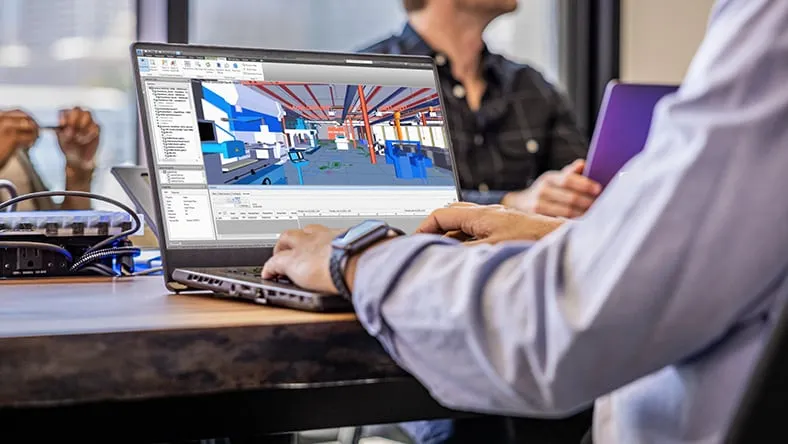
The construction industry continues to evolve as BIM integrates with emerging technologies that improve efficiency, sustainability, and operational performance.
Artificial Intelligence (AI)
AI is enhancing BIM workflows by:
- Detecting design issues automatically
- Optimizing layouts
- Predicting project risks
- Automating repetitive modeling tasks
- Improving quality control
Digital Twins
Digital Twins extend BIM beyond construction by connecting digital models with real-time operational data.
Applications include:
- Predictive maintenance
- Asset monitoring
- Energy optimization
- Building performance analysis
- Facility management
Cloud Collaboration
Cloud-based BIM platforms allow project teams to collaborate securely from different locations, ensuring everyone has access to current project information.
Benefits include:
- Real-time updates
- Centralized documentation
- Faster issue resolution
- Improved stakeholder communication
Sustainable Construction
BIM supports sustainable construction by enabling:
- Energy simulations
- Material optimization
- Carbon footprint analysis
- Waste reduction
- Lifecycle performance assessments
Modular and Prefabricated Construction
BIM improves the planning and coordination of prefabricated building components, supporting faster installation, higher quality, and reduced on-site waste.
Expert Insight
Construction organizations that embrace BIM alongside AI, cloud collaboration, and digital twin technologies are building more resilient, efficient, and future-ready project delivery processes. As digital construction becomes the industry standard, investing in robust BIM capabilities is increasingly a strategic advantage rather than a competitive differentiator.
Frequently Asked Questions (FAQs)
1. How do BIM services reduce construction costs?
BIM services reduce construction costs by identifying design clashes before construction, improving coordination, automating quantity take-offs, optimizing schedules with 4D BIM, integrating cost planning with 5D BIM, and reducing material waste and rework.
2. How does BIM reduce project risks?
BIM minimizes project risks by improving collaboration, providing accurate project data, detecting conflicts early, supporting better planning, and ensuring all stakeholders work from coordinated and up-to-date information.
3. What industries benefit most from BIM?
BIM is widely used across:
- Residential developments
- Commercial buildings
- Hospitality projects
- Healthcare facilities
- Airports
- Infrastructure
- Industrial plants
- Educational institutions
- Mixed-use developments
4. What is clash detection in BIM?
Clash detection is the process of identifying conflicts between architectural, structural, and MEP models before construction begins. Software such as Autodesk Navisworks and Revizto helps resolve these issues digitally, reducing costly on-site modifications.
5. What is 4D BIM?
4D BIM links the project schedule to the 3D model, enabling teams to visualize construction sequences, optimize resource allocation, and identify scheduling conflicts before work starts.
6. What is 5D BIM?
5D BIM integrates cost information with the BIM model, allowing project teams to perform real-time cost estimation, budget forecasting, and financial analysis throughout the project lifecycle.
7. Is BIM only suitable for large projects?
No. BIM provides value for projects of all sizes. Small and medium-sized developments also benefit from improved coordination, accurate documentation, reduced rework, and better cost control.
8. Why is BIM outsourcing becoming more popular?
BIM outsourcing gives organizations access to experienced professionals, reduces overhead costs, provides scalable resources, and enables faster project delivery without the need to build large in-house BIM teams.
9. Which BIM software is commonly used?
Popular BIM platforms include:
- Autodesk Revit
- Autodesk Navisworks
- Autodesk Construction Cloud (ACC)
- BIM 360
- Revizto
- AutoCAD
- Civil 3D
- Dynamo
Each tool supports different aspects of modeling, coordination, collaboration, and information management.
10. Why choose BIM Connect?
BIM Connect delivers end-to-end BIM solutions for developers, contractors, consultants, and engineering firms. Our team combines technical expertise with industry best practices to provide coordinated models, clash detection, BIM management, and outsourcing services that improve project efficiency and reduce risks.
Conclusion
Construction projects today demand greater precision, stronger collaboration, and tighter control over budgets and schedules than ever before. Traditional design and coordination methods often struggle to keep pace with increasing project complexity, leading to delays, design conflicts, material waste, and unexpected costs.
Building Information Modeling (BIM) provides a smarter approach by creating a centralized digital environment where architects, engineers, contractors, and project owners work from accurate, coordinated information. From early design coordination and automated quantity take-offs to 4D scheduling, 5D cost planning, and facility management, BIM delivers measurable value throughout the entire project lifecycle.
For developers, BIM improves investment decisions and project predictability. For contractors, it enhances construction planning and reduces rework. For consultants, it enables higher-quality designs and better multidisciplinary coordination. The result is lower construction costs, reduced project risks, improved collaboration, and more successful project outcomes.
As digital construction continues to reshape the industry, organizations that invest in BIM today are better prepared to deliver efficient, sustainable, and future-ready projects.
Why Choose BIM Connect?
BIM Connect is a trusted Dubai-based BIM services company supporting developers, contractors, consultants, architects, and engineering firms across the UAE and GCC.
Our BIM Services
- Architectural BIM Modeling
- Structural BIM Modeling
- MEP BIM Modeling
- BIM Coordination
- Clash Detection & Resolution
- BIM Management
- BIM Execution Planning (BEP)
- Scan to BIM
- As-Built BIM Modeling
- Shop Drawings
- CAD Drafting Services
- BIM Outsourcing
- Resource Supply
Why Clients Work with BIM Connect
- Experienced BIM engineers and coordinators
- ISO 19650-aligned workflows
- Expertise in Autodesk Revit, Navisworks, Autodesk Construction Cloud (ACC), BIM 360, Revizto, AutoCAD, Civil 3D, and Dynamo
- High-quality coordinated models
- Scalable BIM outsourcing solutions
- Reliable project delivery
- Support for residential, commercial, hospitality, healthcare, industrial, and infrastructure projects
Whether you need BIM modeling for a single building or digital engineering support for a complex multi-disciplinary project, BIM Connect provides the expertise and technology to help you achieve better outcomes.
Reduce Costs. Minimize Risks. Deliver Smarter Projects.
Looking to improve project efficiency while reducing construction costs and risks?
BIM Connect helps developers, contractors, consultants, and engineering firms implement intelligent BIM workflows that enhance collaboration, improve coordination, and streamline project delivery.
Contact BIM Connect today to:
- Request a free consultation
- Discuss your BIM requirements
- Receive a customized proposal
- Outsource BIM modeling and coordination
- Hire dedicated BIM professionals
- Implement ISO 19650-aligned BIM workflows
Build with confidence by partnering with BIM experts who understand the demands of modern construction.