Why BIM Services Are Driving Digital Construction in Dubai
Introduction
Dubai has earned a global reputation for delivering ambitious construction projects that combine architectural innovation, engineering excellence, and advanced technology. From iconic skyscrapers and luxury hospitality developments to smart communities and large-scale infrastructure, the city’s construction sector continues to set new benchmarks for quality and efficiency. As projects become increasingly complex, traditional design and construction methods are no longer sufficient to meet the demands of modern development.
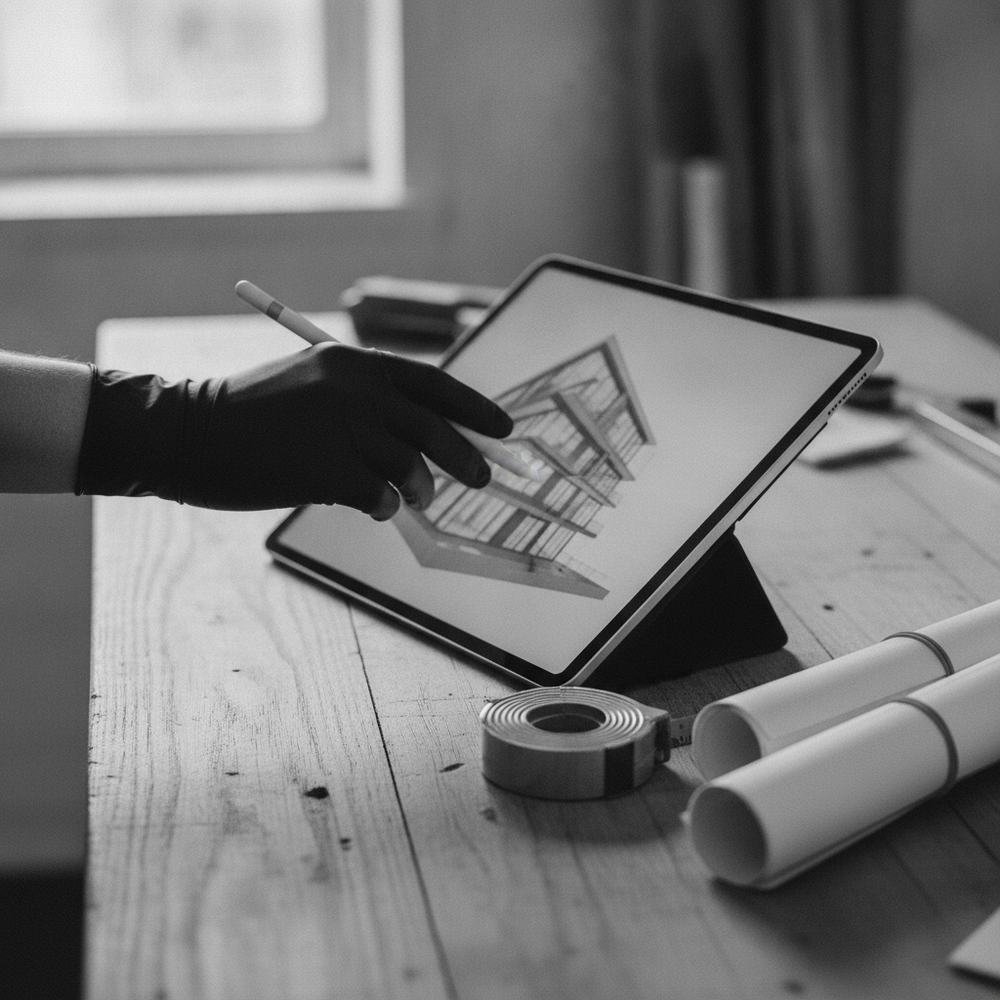
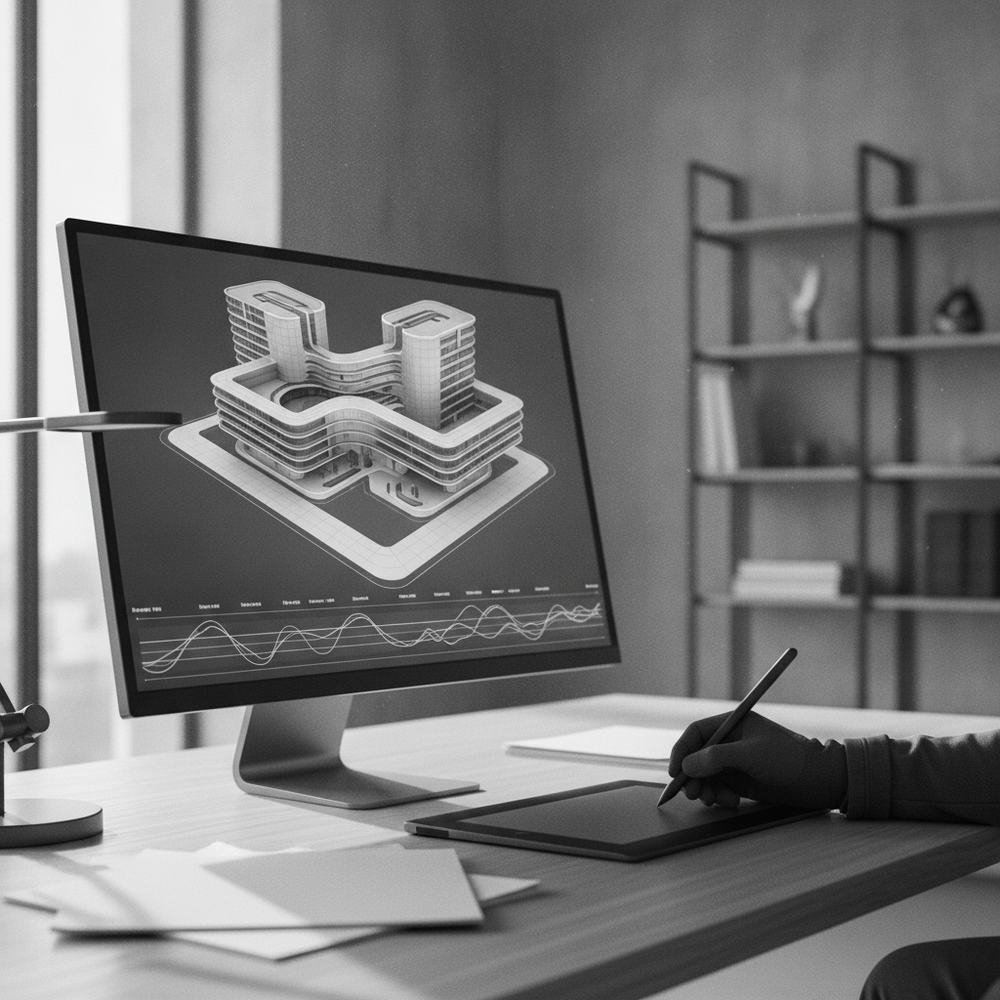
This is where Building Information Modeling (BIM) plays a transformative role. BIM services enable project teams to create intelligent digital models that integrate architectural, structural, and MEP information into a single collaborative environment. These models help stakeholders identify issues early, improve coordination, optimize schedules, and make informed decisions throughout every phase of a project.
In Dubai, the adoption of BIM is closely aligned with the emirate’s vision for digital transformation, smart cities, and sustainable construction. Government authorities, developers, consultants, and contractors are increasingly embracing BIM to enhance productivity, reduce project risks, and improve overall project outcomes.
This article explores why BIM services have become a driving force behind digital construction in Dubai, the benefits they deliver to different stakeholders, and how organizations can leverage BIM to remain competitive in one of the world’s most dynamic construction markets.
What Are BIM Services?
Building Information Modeling (BIM) services involve creating, managing, coordinating, and maintaining intelligent digital models that contain both graphical and data-rich information about a building or infrastructure asset. Unlike conventional 2D CAD drawings, BIM models act as a central source of truth, enabling all project participants to collaborate using accurate and up-to-date information.
Core BIM Services
Professional BIM service providers typically offer:
- Architectural BIM Modeling
- Structural BIM Modeling
- MEP BIM Modeling
- BIM Coordination
- Clash Detection & Resolution
- BIM Execution Planning (BEP)
- Shop Drawing Production
- Scan to BIM
- As-Built BIM Modeling
- Quantity Take-Offs
- 4D Construction Sequencing
- 5D Cost Estimation
- BIM Management
- Facility Management Models
These services support every stage of a project’s lifecycle—from concept design and construction to operation and maintenance.
Why BIM Is More Than 3D Modeling
A common misconception is that BIM is simply a tool for creating 3D models. In reality, BIM is a collaborative process that integrates design data, workflows, documentation, scheduling, costing, and asset information into one intelligent digital environment.
Modern BIM workflows include:
- Real-time collaboration between disciplines
- Automated clash detection
- Model-based quantity take-offs
- Construction sequencing (4D BIM)
- Cost planning (5D BIM)
- Cloud-based document management
- Asset and facility management
- Lifecycle information management
This integrated approach enables teams to make better decisions, reduce rework, and improve project performance.
Why Dubai Is Leading the Digital Construction Revolution
Dubai has positioned itself as one of the world’s leading cities for innovation in the built environment. Rapid urban development, large-scale infrastructure investments, and a focus on smart technologies have accelerated the adoption of digital construction practices.
Several factors contribute to Dubai’s leadership in this space:
1. Large-Scale Mega Projects
Dubai continues to develop complex projects such as:
- High-rise residential towers
- Commercial business districts
- Luxury hotels and resorts
- Airports and transport infrastructure
- Healthcare facilities
- Mixed-use communities
- Industrial developments
The scale and complexity of these projects require advanced coordination, making BIM an essential tool for successful delivery.
2. Smart City Vision
Dubai’s vision for becoming one of the world’s smartest cities relies heavily on digital technologies. BIM supports this vision by improving data management, collaboration, and lifecycle planning, ensuring that buildings are designed and operated more efficiently.
3. Focus on Sustainability
Sustainable construction is a key priority in the UAE. BIM enables energy analysis, daylight studies, material optimization, and lifecycle assessments, helping project teams reduce environmental impact and meet green building objectives.
4. Improved Collaboration Across Stakeholders
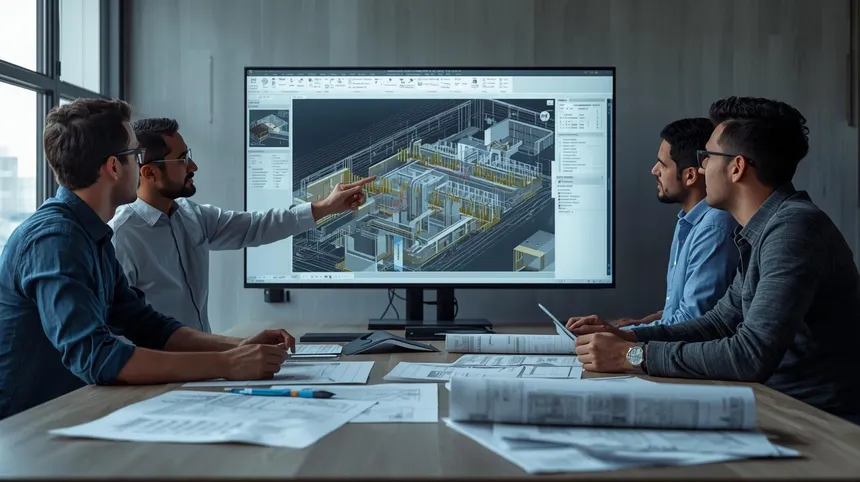
Digital construction requires seamless collaboration between developers, architects, engineers, contractors, and facility managers. BIM creates a shared digital environment where everyone works with the latest project information, reducing communication gaps and improving coordination.
How BIM Is Driving Digital Construction in Dubai
Digital construction is transforming the Architecture, Engineering, and Construction (AEC) industry by integrating advanced technologies into every stage of a project’s lifecycle. At the heart of this transformation is Building Information Modeling (BIM), which enables teams to work collaboratively using intelligent, data-rich digital models instead of disconnected 2D drawings.
In Dubai, where projects are becoming larger, more complex, and more technologically advanced, BIM has become a cornerstone of efficient project delivery. From luxury skyscrapers and mixed-use developments to airports, hospitals, and infrastructure, BIM helps project teams improve coordination, reduce risks, and make informed decisions before construction begins.
1. Improved Collaboration Across All Stakeholders
One of BIM’s greatest strengths is its ability to connect everyone involved in a project. Architects, structural engineers, MEP consultants, contractors, project managers, and clients can all access the same coordinated model, ensuring everyone works with accurate and up-to-date information.
Benefits
- Better communication between disciplines
- Real-time access to project data
- Faster design reviews and approvals
- Fewer misunderstandings
- Improved project transparency
Cloud platforms such as Autodesk Construction Cloud (ACC) and BIM 360 make it possible for distributed teams to collaborate efficiently, whether they are based in Dubai or working remotely across multiple countries.
2. Early Clash Detection Reduces Construction Risks
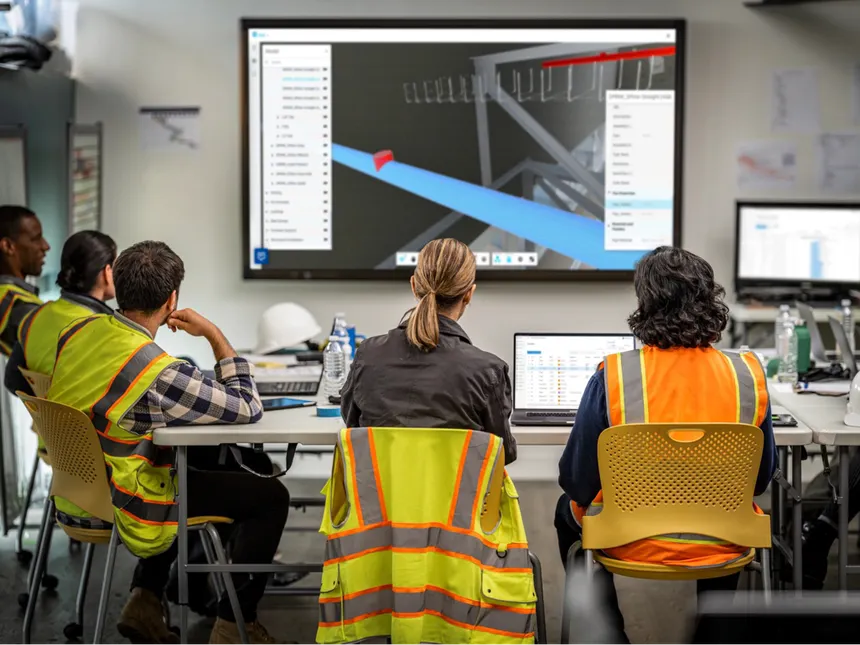
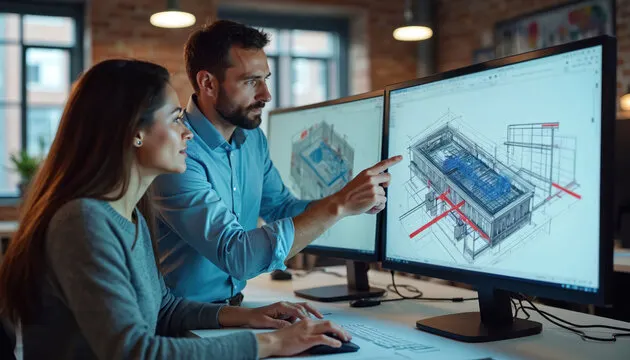
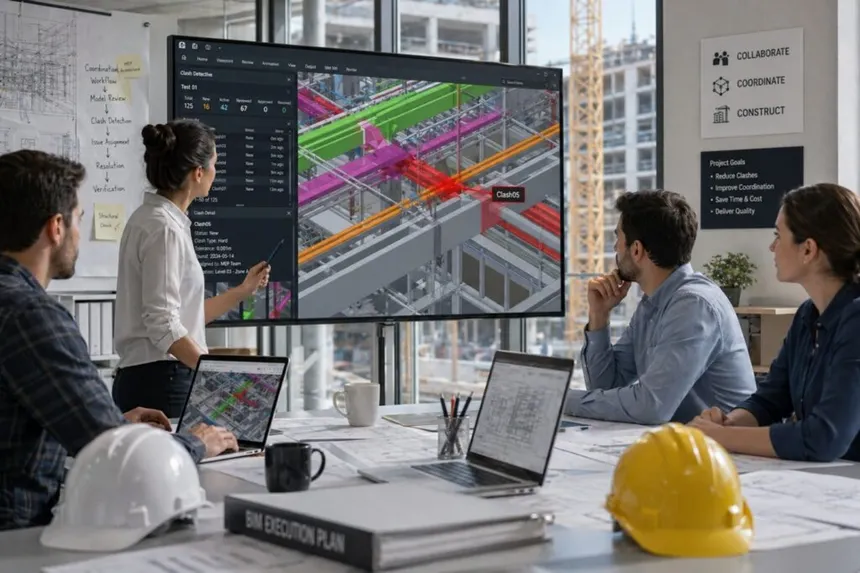
Coordination issues are one of the most common causes of project delays and budget overruns. BIM helps identify these problems before construction begins by combining models from different disciplines into a single federated model.
Using tools such as Autodesk Navisworks and Revizto, project teams can automatically detect clashes between structural, architectural, and MEP elements.
Types of Clashes
| Clash Type | Example |
|---|---|
| Hard Clash | HVAC duct passing through a concrete beam |
| Soft Clash | Maintenance clearance around electrical equipment is insufficient |
| Workflow Clash | Construction activities scheduled in conflicting sequences |
Benefits
- Fewer Requests for Information (RFIs)
- Reduced rework
- Lower construction costs
- Improved installation quality
- Faster project delivery
By resolving conflicts during the design stage, teams avoid costly on-site modifications and keep projects on schedule.
3. Better Project Visualization and Design Validation
Traditional 2D drawings can be difficult for non-technical stakeholders to interpret. BIM provides highly detailed 3D models that allow developers, clients, and consultants to visualize a project before construction starts.
Advantages
- Virtual walkthroughs
- Improved design reviews
- Faster client approvals
- Easier communication of design intent
- Reduced redesign requests
For large developments in Dubai, this level of visualization helps ensure that design expectations are aligned before construction begins.
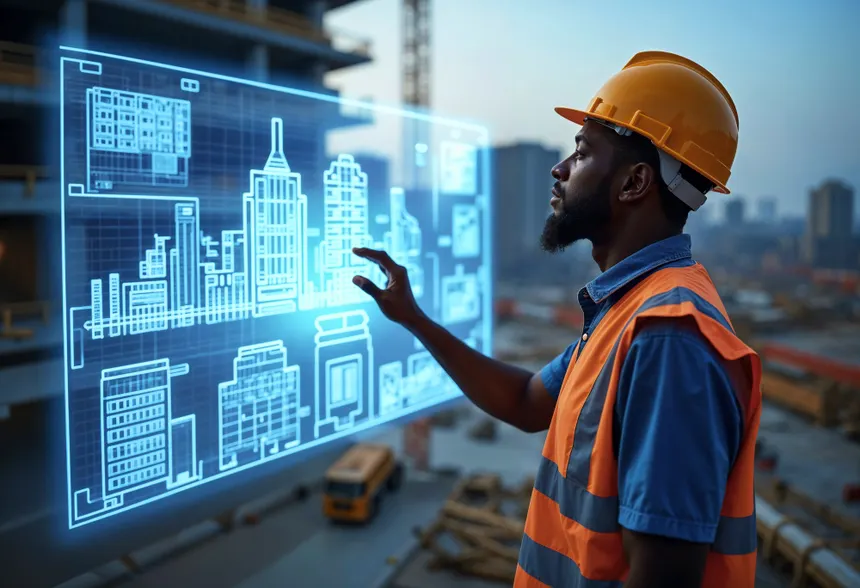
4. Enhanced Cost Control with 5D BIM
Budget management is a critical factor in every construction project. BIM integrates quantity information and cost data into the model, enabling more accurate estimating and financial planning.
5D BIM Enables
- Automated quantity take-offs
- Accurate cost estimation
- Budget forecasting
- Procurement planning
- Cost comparison between design alternatives
Example
If a developer considers replacing a façade material, the BIM model can instantly update quantities and associated costs, helping decision-makers evaluate the financial impact before changes are implemented.
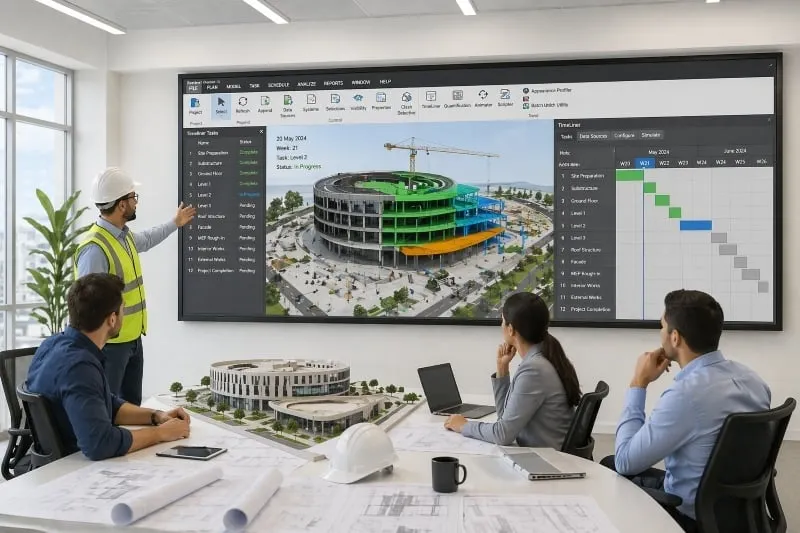
5. Improved Construction Scheduling with 4D BIM
4D BIM links the construction schedule to the 3D model, allowing teams to simulate the construction sequence and identify potential issues before work begins.
Benefits
- Optimized resource allocation
- Improved site logistics
- Reduced delays
- Better coordination of subcontractors
- Visual construction sequencing
Contractors can use 4D simulations to plan crane operations, material deliveries, and installation activities more effectively.
Benefits of BIM Services for Developers
Developers are responsible for delivering projects that meet quality expectations while remaining financially viable. BIM provides developers with greater control over design, cost, and project performance.
Key Benefits
- Better design coordination
- Accurate project visualization
- Improved budget forecasting
- Reduced construction risks
- Faster approvals
- Improved return on investment (ROI)
By identifying issues early and improving collaboration, BIM helps developers avoid costly delays and deliver projects more efficiently.
Benefits of BIM Services for Contractors
Contractors rely on accurate information to execute work efficiently. BIM provides coordinated models that reduce uncertainty and improve construction quality.
Contractor Advantages
- Coordinated shop drawings
- Reduced rework
- Accurate quantity take-offs
- Improved construction sequencing
- Better site coordination
- Enhanced safety planning
With BIM, contractors spend less time resolving issues on-site and more time focusing on productive construction activities.
Benefits of BIM Services for Consultants
Consultants use BIM to improve design quality, ensure compliance, and coordinate multiple disciplines throughout the project lifecycle.
Consultant Advantages
- Better multidisciplinary coordination
- Improved design validation
- Faster approval processes
- Enhanced client presentations
- Compliance with project standards
- Improved documentation accuracy
Interactive BIM models also help consultants communicate complex engineering concepts more effectively to clients and stakeholders.
Expert Insight
Dubai’s construction sector is increasingly adopting BIM not only because it improves project efficiency but also because it supports long-term digital transformation. Organizations that integrate BIM into their workflows are better positioned to manage complex developments, reduce risks, and deliver projects that meet modern quality, sustainability, and performance expectations.
BIM Adoption in Dubai and the UAE
Dubai has emerged as one of the world’s leading construction markets, delivering iconic skyscrapers, luxury hospitality projects, airports, transportation networks, healthcare facilities, industrial developments, and smart communities. Managing projects of this scale requires advanced digital technologies, making Building Information Modeling (BIM) a core component of modern construction.
Over the past decade, developers, consultants, contractors, and government organizations across the UAE have increasingly adopted BIM to improve project efficiency, reduce risks, and enhance collaboration. Today, BIM is no longer viewed as an optional technology—it has become a strategic business requirement for delivering high-quality projects on time and within budget.
Why Dubai Is Investing in Digital Construction
Several factors have accelerated the adoption of BIM across the UAE:
Mega Construction Projects
Dubai continues to invest in:
- High-rise residential towers
- Commercial developments
- Luxury hotels and resorts
- Airports and aviation infrastructure
- Healthcare facilities
- Mixed-use communities
- Logistics and industrial zones
- Transportation infrastructure
These projects involve thousands of interconnected building components that require precise coordination between multiple disciplines. BIM provides a centralized digital environment where all project stakeholders can collaborate efficiently.
Smart City Vision
Dubai’s vision of becoming one of the world’s smartest cities has accelerated the adoption of digital technologies across the built environment.
BIM supports this vision by enabling:
- Digital project delivery
- Intelligent building data
- Improved asset management
- Efficient facility operations
- Lifecycle information management
Rather than treating construction as separate stages, BIM creates a continuous digital workflow from design through operations.
Sustainability and Green Building
Sustainability has become a major priority across the UAE construction sector.
BIM contributes by supporting:
- Energy performance analysis
- Daylight simulations
- Material optimization
- Carbon reduction studies
- Building lifecycle assessments
This allows project teams to make environmentally responsible decisions during the design stage rather than after construction.
Government Support for BIM in Dubai
Public sector initiatives have played a significant role in encouraging BIM adoption across the UAE.
Government authorities increasingly recognize that BIM improves:
- Project transparency
- Information management
- Construction quality
- Long-term asset management
- Lifecycle cost control
Many large public and private developments now specify BIM deliverables as part of project requirements, encouraging standardized digital workflows and improved collaboration.
Why BIM Outsourcing Is Growing in Dubai
As project demand increases, many organizations are choosing to outsource BIM services rather than maintain large in-house modeling teams.
Key Advantages of BIM Outsourcing
Access to Experienced BIM Professionals
Outsourcing allows companies to work with specialists in:
- Architectural BIM
- Structural BIM
- MEP BIM
- BIM Coordination
- Clash Detection
- BIM Management
Without the need to recruit and train additional staff.
Lower Operating Costs
Maintaining an in-house BIM department requires significant investment in:
- Recruitment
- Training
- Software licenses
- High-performance hardware
- Office space
BIM outsourcing reduces these overhead costs while maintaining access to experienced professionals.
Scalability
Construction workloads often fluctuate depending on project size and timelines.
An outsourcing partner can quickly increase or decrease BIM resources based on project requirements, providing greater flexibility.
Faster Project Delivery
Dedicated BIM teams focus on modeling, coordination, and documentation, allowing contractors and consultants to concentrate on project execution and client management.
Essential BIM Software Driving Digital Construction
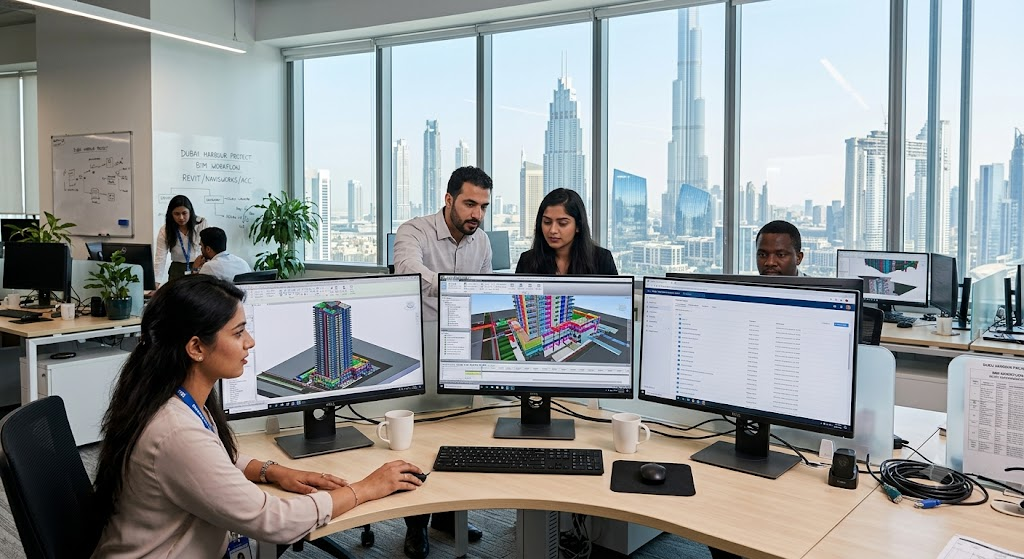
Successful BIM implementation depends on combining skilled professionals with the right technology.
Autodesk Revit
Revit is the industry’s leading BIM authoring platform used to create intelligent architectural, structural, and MEP models.
Primary Uses
- Architectural Modeling
- Structural Modeling
- MEP Modeling
- Shop Drawings
- Construction Documentation
Autodesk Navisworks
Navisworks enables project teams to combine models from different disciplines into a federated model for review and coordination.
Key Features
- Clash Detection
- Construction Simulation
- Model Review
- 4D Planning
- Coordination Meetings
Autodesk Construction Cloud (ACC)
ACC provides a cloud-based Common Data Environment (CDE) where project teams can collaborate securely.
Benefits include:
- Document management
- Model sharing
- Issue tracking
- Version control
- Real-time collaboration
BIM 360
Although many organizations are transitioning to ACC, BIM 360 remains widely used for existing projects requiring document management and design collaboration.
Revizto
Revizto simplifies issue tracking and communication by bringing BIM models, drawings, and coordination workflows into a single platform.
Benefits include:
- Faster issue resolution
- Better collaboration
- Mobile accessibility
- Improved project coordination
Civil 3D
Civil 3D supports infrastructure and civil engineering projects, including roads, utilities, grading, drainage, and land development.
Dynamo
Dynamo extends Revit by automating repetitive tasks, improving productivity, and enabling customized BIM workflows through visual programming.
BIM Software Comparison
| Software | Primary Purpose | Best For |
|---|---|---|
| Autodesk Revit | BIM Authoring | Architectural, Structural & MEP Modeling |
| Navisworks | Coordination | Clash Detection & 4D Simulation |
| Autodesk Construction Cloud | Collaboration | Common Data Environment |
| BIM 360 | Project Management | Document Control |
| Revizto | Issue Management | BIM Coordination |
| Civil 3D | Infrastructure Design | Roads & Utilities |
| Dynamo | Automation | Workflow Optimization |
Real-World Example
A multidisciplinary team working on a mixed-use development in Dubai adopted BIM from the design stage. By integrating architectural, structural, and MEP models into a shared digital environment, the team identified coordination issues early, improved communication between consultants and contractors, and reduced design revisions before construction began. This proactive approach contributed to smoother site execution and more efficient project delivery.
Expert Insight
Digital construction is no longer defined by software alone. Its success depends on standardized processes, skilled professionals, collaborative workflows, and consistent information management. Organizations that invest in BIM capabilities today are better equipped to deliver complex projects efficiently while meeting the evolving expectations of clients and regulators.
BIM vs Traditional Construction Methods
For decades, the construction industry relied on 2D drawings, disconnected documentation, and manual coordination. While these methods delivered many successful projects, they often resulted in communication gaps, design conflicts, project delays, and cost overruns.
Building Information Modeling (BIM) replaces fragmented workflows with a connected, data-driven process where all project stakeholders work from a coordinated digital model.
Comparison: Traditional Construction vs BIM
| Feature | Traditional Construction | BIM-Based Construction |
|---|---|---|
| Design Documentation | Separate 2D drawings | Intelligent 3D models |
| Team Collaboration | Emails and document exchange | Real-time cloud collaboration |
| Clash Detection | During construction | Before construction begins |
| Quantity Take-Off | Manual calculations | Automated from BIM models |
| Cost Estimation | Separate process | Integrated with 5D BIM |
| Construction Scheduling | Independent Gantt charts | 4D BIM simulations |
| Information Updates | Manual revisions | Automatic model synchronization |
| Facility Management | Paper documentation | Digital asset information |
Why BIM Delivers Better Results
By identifying design conflicts early and providing a single source of truth, BIM reduces rework, minimizes delays, and improves communication across the project lifecycle.
Understanding Levels of Development (LOD)
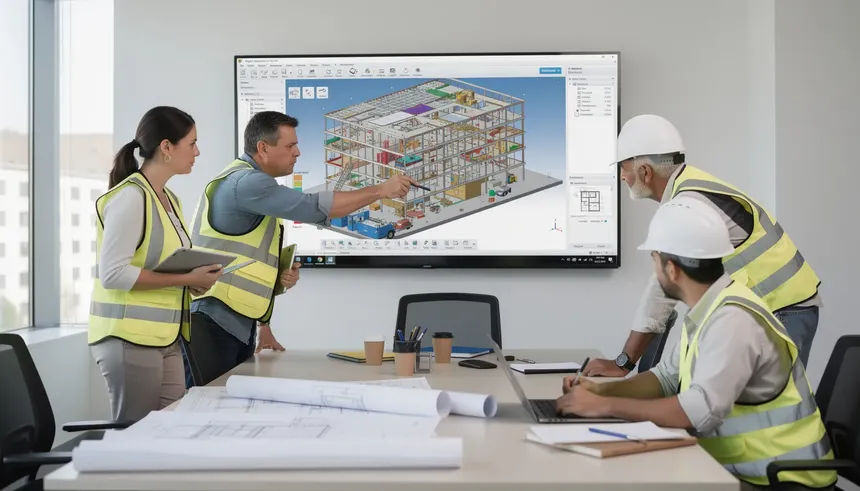
Levels of Development (LOD) define the amount of detail and reliability contained within a BIM model at different project stages.
Choosing the correct LOD ensures that project teams receive the appropriate information without unnecessary modeling effort.
LOD Comparison
| LOD | Description | Typical Project Stage |
|---|---|---|
| LOD 100 | Conceptual representation | Feasibility & Concept Design |
| LOD 200 | Approximate geometry | Schematic Design |
| LOD 300 | Accurate geometry and dimensions | Detailed Design |
| LOD 350 | Coordination-level detail | Clash Detection & Coordination |
| LOD 400 | Fabrication and installation details | Construction |
| LOD 500 | Verified as-built information | Facility Management |
Why LOD Matters
Using the correct LOD helps:
- Improve design accuracy
- Reduce unnecessary modeling
- Support fabrication
- Enhance construction coordination
- Improve facility management after project completion
ISO 19650: The Foundation of BIM Information Management
As BIM adoption has grown globally, standardized information management has become essential. ISO 19650 provides an internationally recognized framework for managing project information throughout the asset lifecycle.
Core Principles of ISO 19650
- Standardized information management
- Clearly defined project roles and responsibilities
- Consistent document naming conventions
- Secure information exchange
- Common Data Environment (CDE)
- Lifecycle information management
Benefits
- Improved collaboration
- Better document control
- Higher data quality
- Reduced information loss
- Enhanced project governance
Organizations implementing ISO 19650 are better equipped to deliver consistent, reliable, and well-managed BIM projects.
Common BIM Challenges and Practical Solutions
Although BIM offers significant advantages, successful implementation requires careful planning and organizational commitment.
Challenge 1: Resistance to Change
Some project teams are accustomed to traditional CAD-based workflows and may be reluctant to adopt new digital processes.
Solution:
- Provide structured BIM training
- Demonstrate value through pilot projects
- Develop internal BIM champions
Challenge 2: Lack of Standardization
Without clear standards, different teams may model elements inconsistently, creating coordination issues.
Solution:
- Create a BIM Execution Plan (BEP)
- Define modeling standards
- Follow ISO 19650 guidelines
- Establish quality assurance procedures
Challenge 3: Insufficient Collaboration
Working from outdated files or disconnected models increases the risk of errors.
Solution:
Adopt a Common Data Environment (CDE) such as Autodesk Construction Cloud to ensure all stakeholders work with current project information.
Challenge 4: Limited BIM Expertise
Many organizations face shortages of experienced BIM professionals.
Solution:
Partner with an experienced BIM service provider like BIM Connect for modeling, coordination, and BIM management support.
Challenge 5: Hardware and Software Limitations
Large BIM models require powerful workstations and modern collaboration tools.
Solution:
Invest in appropriate hardware and ensure software platforms are kept up to date to support efficient workflows.
Future Trends Shaping Digital Construction in Dubai
As Dubai continues to invest in innovation and smart infrastructure, BIM is evolving alongside other digital technologies.
Artificial Intelligence (AI)
AI is increasingly being integrated into BIM workflows to:
- Identify design conflicts faster
- Optimize layouts
- Improve project forecasting
- Automate repetitive tasks
- Enhance quality assurance
Digital Twins
Digital Twins extend BIM beyond construction by connecting digital models with real-time operational data.
Applications include:
- Predictive maintenance
- Building performance monitoring
- Asset management
- Energy optimization
- Smart building operations
Cloud-Based Collaboration
Cloud platforms allow multidisciplinary teams to collaborate securely from anywhere in the world.
Benefits include:
- Live model updates
- Faster issue resolution
- Improved version control
- Better communication
- Remote project management
Sustainable Construction
BIM supports sustainability by enabling:
- Energy simulations
- Carbon analysis
- Material optimization
- Waste reduction
- Green building certification support
These capabilities help developers meet sustainability objectives while improving long-term operational performance.
Modular and Off-Site Construction
BIM enables precise coordination of prefabricated components, supporting modular construction methods that reduce waste, improve quality, and accelerate project timelines.
Expert Insight
Dubai’s construction industry is rapidly embracing technologies that improve efficiency, sustainability, and collaboration. BIM acts as the digital foundation that connects design, engineering, construction, and operations, making it an essential component of future-ready construction projects.
Frequently Asked Questions (FAQs)
1. What are BIM services?
Building Information Modeling (BIM) services involve creating, coordinating, managing, and maintaining intelligent 3D digital models that integrate architectural, structural, MEP, and project data. These services improve collaboration, reduce errors, and support efficient project delivery throughout the construction lifecycle.
2. Why is BIM important in Dubai?
Dubai is home to complex construction projects, smart city initiatives, and ambitious infrastructure developments. BIM enables stakeholders to improve coordination, reduce project risks, optimize costs, and deliver high-quality projects more efficiently, making it an essential technology for the region’s construction industry.
3. Which industries benefit from BIM services?
BIM is widely used across:
- Residential developments
- Commercial buildings
- Hospitality projects
- Healthcare facilities
- Airports
- Infrastructure
- Industrial plants
- Educational institutions
- Mixed-use communities
4. What software is commonly used for BIM?
Leading BIM software includes:
- Autodesk Revit
- Autodesk Navisworks
- Autodesk Construction Cloud (ACC)
- BIM 360
- Revizto
- AutoCAD
- Civil 3D
- Dynamo
Each platform supports different aspects of modeling, coordination, collaboration, and project management.
5. How does BIM reduce construction costs?
BIM identifies design conflicts before construction begins, automates quantity take-offs, improves scheduling, and reduces material waste. This minimizes rework, delays, and unexpected costs throughout the project lifecycle.
6. What is BIM coordination?
BIM coordination combines architectural, structural, and MEP models into a single federated model to detect clashes and resolve coordination issues before construction starts.
7. Is BIM only useful for large projects?
No. While BIM is widely used for large-scale developments, it also provides significant benefits for smaller commercial, residential, and industrial projects by improving design accuracy, collaboration, and project efficiency.
8. What is the difference between BIM and CAD?
CAD focuses primarily on creating 2D or basic 3D drawings, whereas BIM creates intelligent, data-rich models that support design, construction, cost estimation, scheduling, collaboration, and facility management.
9. Why should companies outsource BIM services?
Outsourcing BIM services allows organizations to access experienced professionals, reduce operational costs, scale resources according to project needs, and accelerate project delivery without maintaining large in-house BIM teams.
10. Why choose BIM Connect for BIM services in Dubai?
BIM Connect provides comprehensive BIM solutions tailored to the needs of developers, contractors, consultants, architects, and engineering firms. Our team delivers high-quality, coordinated BIM models, follows ISO 19650 best practices, and supports projects across the UAE and international markets.
Conclusion
Dubai’s construction industry is setting new global benchmarks for innovation, sustainability, and digital transformation. As projects become more complex, stakeholders require advanced technologies that improve collaboration, reduce risks, and enhance project outcomes. Building Information Modeling (BIM) has emerged as the foundation of this transformation, enabling developers, contractors, consultants, and project owners to work within a connected digital environment.
Beyond creating intelligent 3D models, BIM supports every stage of the project lifecycle—from concept design and engineering coordination to construction planning, cost management, and facility operations. By improving project visualization, detecting clashes before construction, optimizing schedules and budgets, and centralizing project information, BIM delivers measurable benefits that contribute to successful project delivery.
For organizations operating in Dubai’s competitive construction sector, adopting BIM is no longer optional. It is a strategic investment that improves efficiency, enhances collaboration, supports sustainability, and prepares projects for the future of digital construction.
Why Choose BIM Connect?
BIM Connect is a trusted Dubai-based provider of BIM services, helping developers, contractors, consultants, architects, and engineering firms deliver coordinated, data-driven construction projects.
Our Core Services
- Architectural BIM Modeling
- Structural BIM Modeling
- MEP BIM Modeling
- BIM Coordination
- Clash Detection & Resolution
- BIM Management
- BIM Execution Planning (BEP)
- Scan to BIM
- As-Built BIM Modeling
- Shop Drawings
- CAD Drafting Services
- BIM Outsourcing
- Resource Supply
Why Partner with BIM Connect?
- Experienced BIM professionals
- ISO 19650-aligned workflows
- Advanced expertise in Autodesk Revit, Navisworks, Autodesk Construction Cloud (ACC), BIM 360, Revizto, AutoCAD, Civil 3D, and Dynamo
- High-quality, coordinated BIM models
- Scalable outsourcing solutions
- Timely project delivery
- Support for residential, commercial, hospitality, healthcare, industrial, and infrastructure projects across the UAE and GCC
Whether you’re developing a high-rise tower, coordinating a complex MEP system, or managing a large infrastructure project, BIM Connect delivers reliable BIM solutions that improve efficiency and reduce project risks.
Get Started with BIM Connect
Ready to accelerate your digital construction journey?
Our BIM specialists are here to help you:
- Request a free consultation
- Discuss your project requirements
- Receive a tailored proposal
- Outsource BIM modeling and coordination
- Hire dedicated BIM professionals
- Implement BIM workflows aligned with international standards
Contact BIM Connect today to discover how our BIM expertise can help you deliver smarter, faster, and more efficient construction projects.